

Garnet Gemstone: Colors, Meaning, and Modern Jewelry Designs
The Garnet is a gemstone that has captured human imagination for thousands of years. Known most famously for its deep, pomegranate-red glow, this stone is far more diverse than many people realize. From the bright greens of the Russian czars to the fiery oranges of the African plains, Garnet is a stone of variety, durability, and intense beauty.
Whether you are looking for a January birthstone gift or a unique engagement ring that stands out from the crowd, Garnet offers a world of possibilities. In this guide, we will explore the different types of Garnets, their cultural meanings, and the best ways to wear them in modern jewelry.
1. What is Garnet? The Science and History
The name "Garnet" comes from the Middle English word gernet, meaning ‘dark red,’ and the Latin granatus, from granum (‘grain, seed’). This is a direct reference to the pomegranate, a fruit with vivid red seeds that look remarkably like raw Garnet crystals.
A Stone of Ancient History
Garnet is one of the oldest known gemstones. Archaeologists have found Garnet necklaces in the tombs of Ancient Egyptian pharaohs dating back to 3100 B.C. In Ancient Rome, Garnet was used in signet rings to seal important documents. During the Middle Ages, it was a favorite among knights and warriors who wore it as a symbol of protection and strength.
Technical Properties
On the Mohs Scale of Hardness, Garnets rank between 6.5 and 7.5. While they are not as hard as diamonds or sapphires, they are durable enough for daily wear in rings and pendants if handled with a bit of care. They are found all over the world, with major deposits in Africa, India, Sri Lanka, and Madagascar.
2. The Rainbow of Garnet Colors
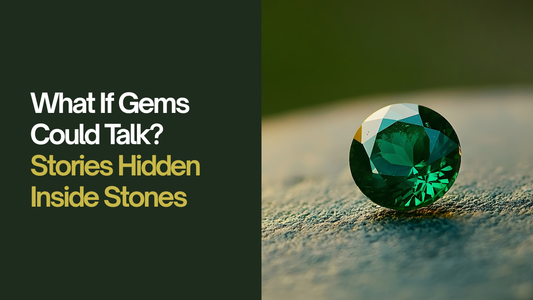
Most people think of Garnets stone as strictly red, but they actually come in almost every color except blue (though very rare color-changing blue garnets do exist!).
| Type of Garnet | Primary Color | Unique Feature |
| Almandine | Deep Red / Violet | The most common and classic red Garnet. |
| Pyrope | Blood Red | Known for its intense, fiery saturation. |
| Spessartite | Bright Orange | Often called "Mandarin Garnet," very vibrant. |
| Tsavorite | Vivid Green | A rare, expensive green garnet found in Africa. |
| Demantoid | Olive Green | Famous for its "fire" and diamond-like sparkle. |
| Hessonite | Honey Brown / Orange | Known as the "Cinnamon Stone." |
3. Garnet Meaning and Cultural Symbolism
Across different cultures and languages, the Garnet has always been more than just a pretty stone. It is a symbol of commitment, creativity, and courage.
The Universal Symbol of Love
Because of its red color, Garnet is deeply linked to the heart. It is the traditional gift for the 2nd wedding anniversary. It represents a "reignited" passion and the steady, glowing embers of a long-term relationship.
Global Perspectives
-
In Hindi (Raktamani): It is known as the "Blood-Red Jewel." It is highly respected for its ability to build self-confidence and provide a sense of "grounding."
-
In Arabic (Hajar Alaqeeq): While Aqeeq often refers to Agate, red Garnets are often grouped into this family of stones representing power and spiritual balance.
-
In Urdu (Laal): It simply means "Red," representing the purity and intensity of the stone’s hue.
4. Modern Garnet Jewelry Trends
Because Garnet comes in so many colors and is relatively affordable compared to Rubies, it has become a favorite for custom ring makers.
The Garnet Engagement Ring
Couples looking for a "Vintage" or "Bohemian" look are turning to Red Garnets.
-
Princess Cut: A large square Garnet set in Rose Gold creates a warm, romantic look.
-
Halo Setting: Surrounding a deep red Garnet with small white diamonds makes the center stone "pop" and adds extra sparkle.
The Three-Stone Ring
Using three Garnets in a row is a popular way to symbolize a journey—past, present, and future. Many choose three different shades of red or even a mix of green and orange garnets for a colorful, artistic statement.
Minimalist Solitaire Pendants
A single, pear-shaped Garnet on a thin gold chain is a timeless accessory. It is a subtle way to add a touch of luxury to a daily outfit without being too flashy.
5. Garnet Price and Value
One of the best things about Garnet is that there is a stone for every budget.
-
Standard Red Garnets: These are very affordable, typically ranging from $50 to $200 per carat depending on the size and clarity.
-
Rare Varieties: Rare green Garnets like Tsavorite or Demantoid are much more expensive. High-quality green garnets can cost $1,000 to $5,000 per carat or more, as they are rarer than Emeralds.
-
Custom Jewelry: A high-quality Garnet ring set in 18K gold typically starts around $600 to $1,500 in professional shops.
6. How to Care for Your Garnet
To keep your Garnet jewelry looking bright for a lifetime, follow these simple steps:
-
Avoid High Heat: While Garnets are tough, extreme temperature changes can cause some varieties to crack.
-
Gentle Cleaning: Use warm water, mild dish soap, and a very soft toothbrush. Do not use "ultrasonic" cleaners unless you are sure your stone has no internal fractures.
-
Separate Storage: Garnets can be scratched by harder stones like Diamonds and Sapphires. Store your Garnet rings in their own soft cloth bag.
Frequently Asked Questions
Is Garnet a lucky stone?
In many traditions, Garnet is considered a stone of "Good Fortune" and "Success." It is believed to help the wearer stay motivated and focused on their goals.
Can I wear Garnet every day?
Yes, Garnet is durable enough for daily wear. However, since it is softer than a Diamond, you should remove your Garnet ring before doing heavy work like gardening or lifting weights.
Why is my Garnet turning dark?
Garnets do not change color over time, but they can collect oils and dust behind the stone. A simple cleaning will usually bring back its original "fire" and color.
Who should wear Garnet?
While it is the January birthstone, it is a beautiful choice for anyone who loves deep colors. In astrology, it is often recommended for those who need a boost in self-confidence.
Health & Safety Disclaimer
All information regarding the symbolic, historical, or spiritual properties of Garnet is for educational and entertainment purposes. These properties are based on cultural traditions and are not scientifically proven. Gemstones should not be used as a substitute for professional medical advice, diagnosis, or treatment. Always consult a healthcare professional for any medical or mental health concerns.
Tags:
Previous
Moissanite vs. Diamond: Modern Guide to Your Perfect Ring
Next
Spinel Gemstone Guide: Colors, Historical Facts, and Jewelry Trends
Related Articles

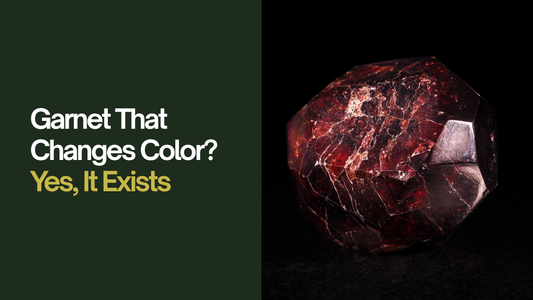
Garnet That Changes Color? Yes, It Exists
Jan 15 2026