

Emeralds are one of the most beloved gemstones on earth. That deep, rich green color is unlike anything else in nature — vivid, alive, and impossible to ignore. But emeralds are far more than just a pretty color. They have a fascinating set of physical properties, a unique geological story, a rich history spanning thousands of years, and characteristics that make them completely different from every other precious gemstone.
Whether you are buying an emerald for the first time, researching before a big purchase, or simply curious about what makes this stone so extraordinary, this complete guide covers everything — the science, the history, the characteristics, how to judge quality, how to care for emeralds, and answers to the questions most people ask. By the end, you will understand emeralds in a way that most buyers never do.
What Exactly Is an Emerald?
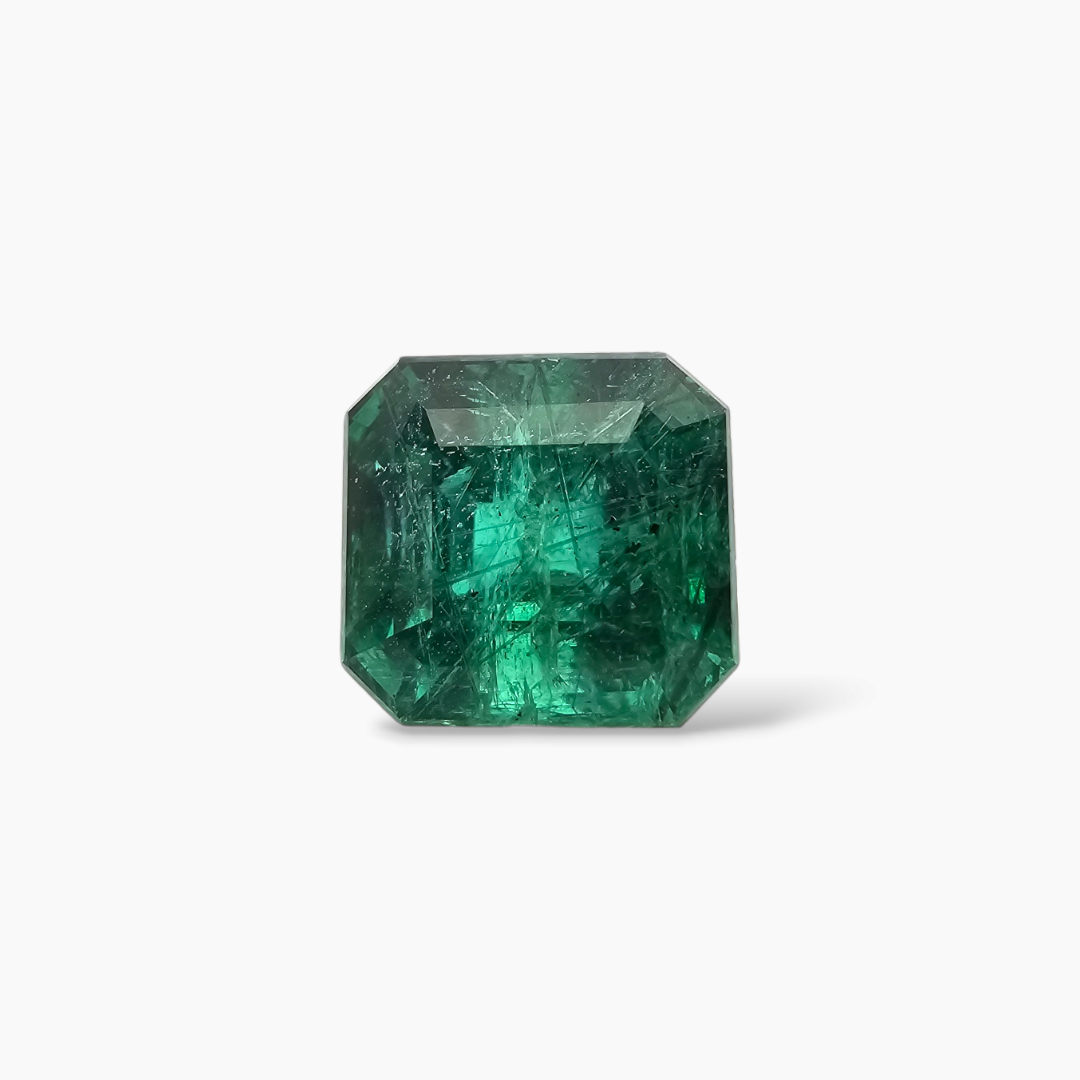
An emerald is a variety of the mineral beryl — a beryllium aluminum silicate crystal. Pure beryl in its natural form is completely colorless. What transforms colorless beryl into a vivid green emerald is the presence of trace amounts of chromium, vanadium, or a combination of both, which replace some of the aluminum atoms inside the crystal lattice during formation deep within the earth.
This distinction matters because not all green beryl is an emerald. The gemological definition of an emerald requires that the green color be caused specifically by chromium or vanadium. Green beryl colored by iron alone is classified simply as green beryl — a different, less valuable stone — even though it looks superficially similar to an untrained eye. Always buy from a certified dealer who can confirm exactly what you are purchasing.
Emeralds belong to the group of four precious gemstones, alongside diamonds, rubies, and sapphires. They have been considered precious — not just semi-precious — for thousands of years across virtually every major civilization on earth.
The History of Emeralds: A Stone Fit for Royalty
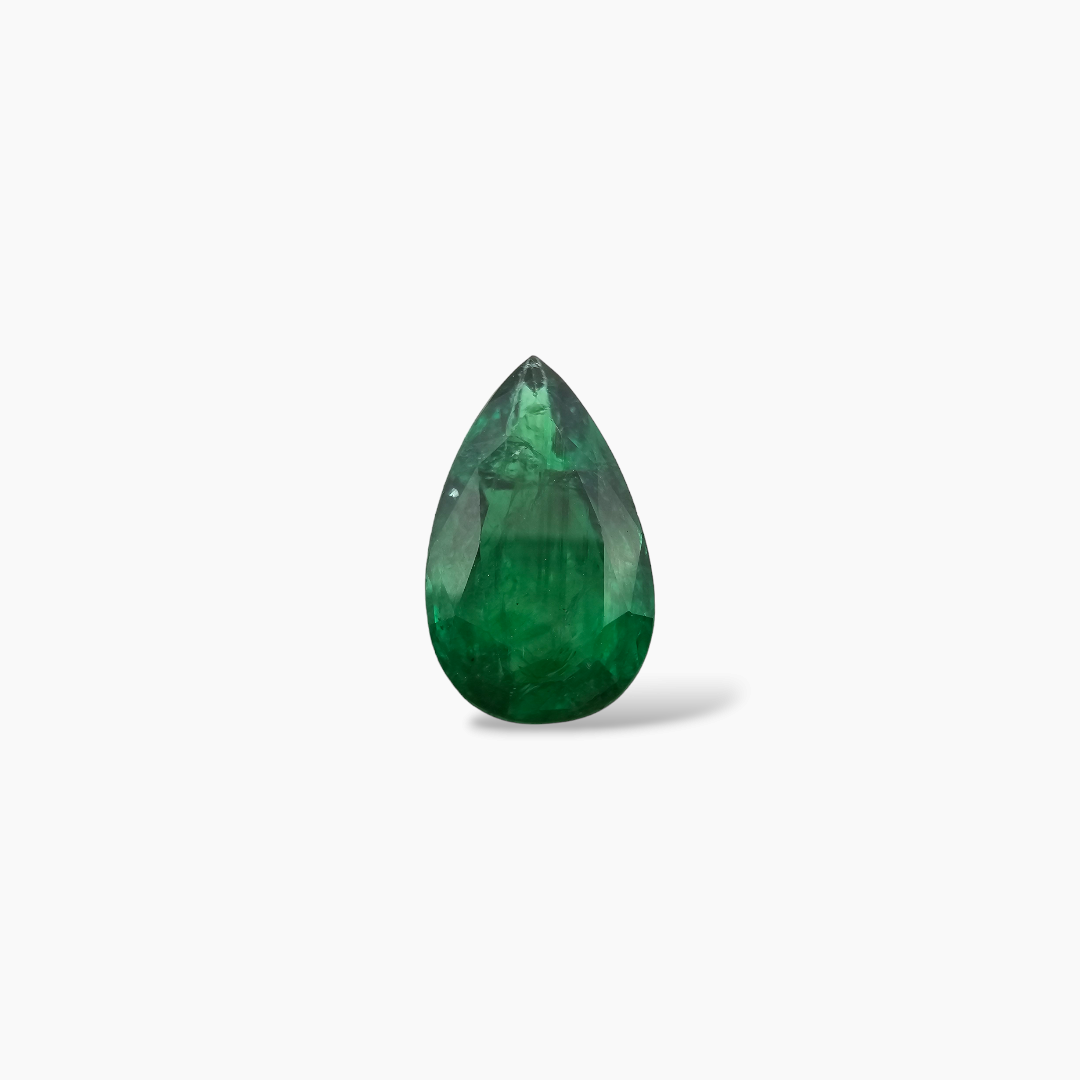
The story of the emerald stretches back at least 4,000 years and touches almost every great civilization in human history.
Ancient Egypt
The oldest known emerald mines in the world are located in Egypt, near the Red Sea coast in an area now called Wadi Sikait. These mines, known historically as Cleopatra's Mines, were worked as far back as 1500 BCE and possibly earlier. Cleopatra herself was famously passionate about emeralds — she wore them, gifted them to foreign dignitaries, and claimed ownership of all emerald mines in Egypt during her reign. Egyptian emeralds were used in burial jewelry and placed with mummies as symbols of eternal life and rebirth.
Ancient India
In Vedic tradition, the emerald is known as Panna and is the gemstone associated with the planet Mercury (Budha). Wearing a natural emerald was believed to sharpen intelligence, improve communication, strengthen memory, and bring prosperity in business. This tradition is still actively practiced today across South Asia. Ancient Indian rulers treasured emeralds enormously — the Mughal emperors were particularly famous for their love of emeralds, often inscribing them with prayers and poems and wearing them as royal talismans.
The Inca and Aztec Civilizations
In South America, the Inca civilization considered emeralds sacred objects of divine power. They used emeralds in religious ceremonies, as offerings to their gods, and as burial objects for royalty. When Spanish conquistadors arrived in South America in the 16th century, they discovered emeralds of a quality and size that dwarfed anything previously known in Europe. The Colombian emeralds they found — from mines in the Muzo and Chivor regions — were so extraordinary that they completely transformed the European gemstone market and remain the global benchmark for emerald quality to this day.
Ancient Rome and Greece
The Romans associated emeralds with Venus, the goddess of love and beauty. The Emperor Nero is said to have watched gladiatorial games through a large emerald lens — either as a form of vision correction or simply because he found the green color soothing and luxurious. In Greek tradition, emeralds were associated with Hermes, the messenger god, connecting them to communication, travel, and quick intelligence — themes that resonate with their Vedic association with Mercury.
Physical Properties of Emeralds
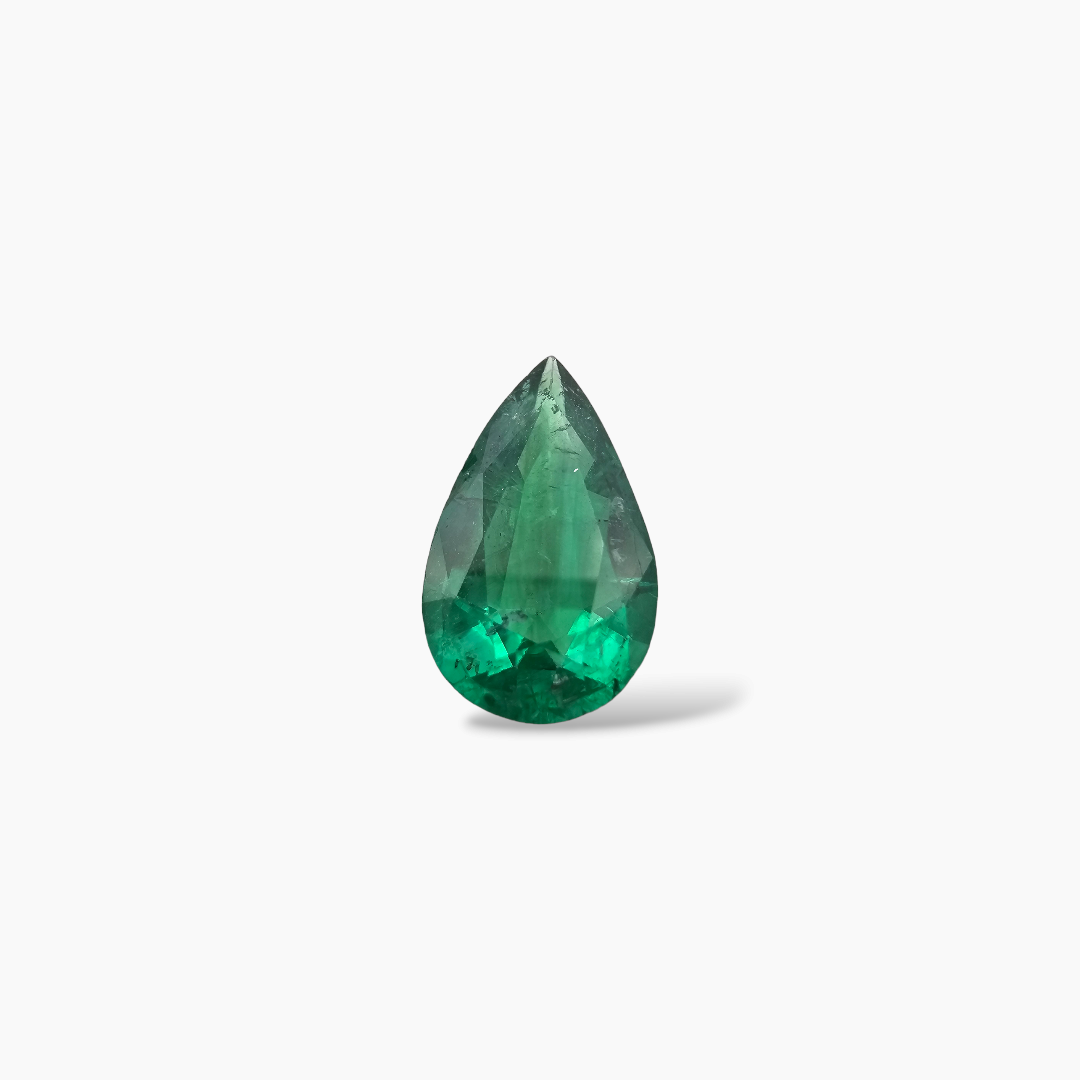
Understanding the physical properties of emeralds is essential for anyone buying or appreciating these stones. Here is a complete breakdown of what the science tells us.
Chemical Composition
Emerald is a variety of beryl with the chemical formula Be₃Al₂Si₆O₁₈. The presence of chromium (Cr³⁺) and/or vanadium (V³⁺) as trace impurities is what produces the green color. Chromium is considered the primary coloring agent in the finest emeralds, particularly those from Colombia. Vanadium plays a supporting role in many stones and is the dominant coloring agent in some emeralds from certain origins.
Hardness: Mohs Scale Rating of 7.5 to 8
On the Mohs hardness scale — the standard measure of a mineral's resistance to scratching — emeralds score between 7.5 and 8. For context, diamonds score 10 (the maximum), rubies and sapphires score 9, and common glass scores around 5.5. A Mohs rating of 7.5 to 8 means emeralds are harder than most everyday materials and resistant to surface scratching in normal use.
However, hardness and toughness are different things. Hardness measures scratch resistance. Toughness measures resistance to breaking and chipping. Emeralds, despite their hardness, have relatively poor toughness compared to other precious stones. This is because most natural emeralds contain numerous internal inclusions and fractures that create internal stress points within the crystal. A sharp impact on the wrong point can cause an emerald to chip or crack. This means emeralds require more careful handling than rubies, sapphires, or diamonds of comparable size.
Crystal System and Structure
Emeralds crystallize in the hexagonal crystal system, forming characteristic six-sided prismatic crystals. These natural crystal shapes are often visible in rough emerald specimens and are part of what makes raw, uncut emeralds visually distinctive. The hexagonal structure influences how the stone is cut — the classic "emerald cut" (a rectangular step cut with cropped corners) was actually developed specifically for emeralds to reduce the risk of chipping the corners of the stone while maximizing the display of its color.
Refractive Index
The refractive index of a gemstone measures how much it bends light as it passes through the stone. Emeralds have a refractive index of approximately 1.565 to 1.602. This is lower than diamonds (2.417) and slightly lower than rubies and sapphires (1.762 to 1.770). What this means in practical terms is that emeralds do not produce the same brilliant, fiery sparkle that diamonds are famous for. Instead, emeralds display what gemologists call vitreous luster — a rich, glowing brilliance that is softer and more velvety than a diamond's flash. Many people find this quality more sophisticated and easier on the eye.
Specific Gravity
The specific gravity of emeralds ranges from approximately 2.67 to 2.78. This means they are roughly 2.7 times denser than an equal volume of water. This relatively low density (compared to rubies at 4.0 or diamonds at 3.5) means that an emerald will feel lighter in the hand than a ruby or diamond of the same physical size. Experienced gemologists and traders can often identify beryl family stones by feel alone.
Optical Phenomenon: Pleochroism
Emeralds display a fascinating optical property called pleochroism — meaning they show different colors when viewed from different angles. When you look at an emerald straight on, you see green. When you tilt the stone and view it along a different crystal axis, you may see a slightly more yellowish or bluish green. This property is visible to the naked eye with practice and is one of the characteristics gemologists use to identify natural emeralds. The degree of pleochroism varies from stone to stone.
The Color of Emeralds: What Makes Green Great
Color is the single most important quality factor in an emerald — far more important than clarity, which takes a back seat compared to other gemstones. Understanding emerald color helps you make a much better buying decision.
Hue
The primary hue of an emerald is green. The finest emeralds are a pure, vivid green with secondary hues of either blue or yellow. A slight blue secondary hue — producing what the trade calls "emerald green" — is generally considered the most desirable. A slight yellow secondary hue is also acceptable and produces what is often called a "warmer" green. Stones that are too yellowish or too bluish in their secondary hue are considered less desirable.
Tone
Tone refers to how light or dark the color is. On a scale from colorless (0) to black (10), the finest emeralds typically fall in the medium to medium-dark range — roughly 5 to 7 on this scale. Stones that are too light appear weak and washy. Stones that are too dark appear almost black in certain lighting and lose the vivid brightness that makes emeralds so captivating.
Saturation
Saturation refers to the intensity and purity of the color — how vivid and bold it appears. The finest emeralds have high saturation, meaning the green is strong, clean, and vibrant rather than muted or grayish. Colombian emeralds are particularly famous for their exceptional saturation, which is why they command the highest prices in the global market.
The Colombian Standard
When gemologists and serious collectors talk about the ideal emerald color, they refer to the finest Colombian emeralds from the Muzo and Chivor mines as the benchmark. These stones display a combination of medium-dark tone, vivid saturation, and a pure green with a slightly bluish secondary hue that is universally acknowledged as the most desirable expression of emerald color in the world.
Inclusions in Emeralds: Understanding the Jardin
This is where emeralds are truly unique among precious gemstones. Almost every natural emerald contains visible inclusions — internal features formed during the crystal's growth. The French word for these inclusions is jardin, meaning garden, and it perfectly captures their appearance: intricate, organic patterns of tiny crystals, liquid-filled channels, gas bubbles, and fractures that look like miniature gardens frozen inside the stone.
In most gemstones — particularly diamonds — inclusions are considered defects that reduce the stone's value. With emeralds, the approach is entirely different. Because truly inclusion-free natural emeralds are essentially nonexistent, the presence of inclusions is accepted, expected, and evaluated rather than penalized absolutely. The question is not whether inclusions are present, but how significantly they affect the stone's transparency, color, and structural integrity.
A stone with moderate inclusions that do not significantly impact its beauty or durability is still considered a fine emerald. Inclusions can also serve as evidence of natural origin — laboratory-grown and synthetic emeralds have characteristic inclusion patterns (or lack thereof) that differ from natural stones, allowing gemologists to distinguish between them.
The industry standard for evaluating emerald clarity uses three grades: minor, moderate, and significant (referring to the degree of clarity enhancement, usually through oil or resin treatment, that the stone has received). These grades appear on laboratory certificates and help buyers understand what they are purchasing.
Treatments and Enhancements: What You Need to Know
This is one of the most important topics for any emerald buyer to understand, and unfortunately one of the most misunderstood.
The vast majority of natural emeralds on the market — estimates range from 90% to 99% — have been treated in some way to improve their appearance. The most common treatment is filling surface-reaching fractures with colorless oils or synthetic resins. This treatment works by filling the fractures with a material that has a refractive index similar to emerald, making the fractures much less visible and allowing light to travel through the stone more cleanly.
Cedar oil was the traditional filling material used for centuries. Modern treatments use synthetic resins (such as Opticon) that are more stable and longer-lasting than natural oils. Some fillings may contain trace amounts of green dye, which can actually alter the stone's color — this is considered a more significant and less acceptable treatment than colorless filling.
Here is what you need to understand as a buyer. Clarity enhancement by colorless oil or resin filling is widely accepted in the emerald trade as long as it is disclosed. It is not fraudulent. It is the standard. What matters is that the dealer and the laboratory certificate clearly state the presence and degree of treatment. A reputable certificate from GIA, AGL, Gübelin, or GRS will specify the filler type and the degree of enhancement (minor, moderate, or significant).
Untreated or "no oil" emeralds — stones with no clarity enhancement whatsoever — are extremely rare and command very significant price premiums. If a seller claims an emerald is untreated, always verify this with an independent laboratory certificate.
Major Emerald Origins and Their Characteristics
Where an emerald comes from has a significant effect on its color, inclusion type, and market value. Here are the most important origins.
Colombia
Colombian emeralds are the global benchmark for quality. The Muzo, Chivor, and Coscuez mines in Colombia produce stones with exceptionally high chromium content, low iron, and characteristic three-phase inclusions (containing solid, liquid, and gas simultaneously). The result is the most vivid, pure, saturated green available in any natural emerald. Fine Colombian emeralds command the highest prices per carat of any emerald origin.
Zambia
Zambian emeralds have risen dramatically in prestige over the past two decades. They tend to have a slightly deeper, more bluish green than Colombian stones, higher iron content, and exceptional clarity compared to most Colombian emeralds. The Kagem mine in Zambia is one of the largest emerald mines in the world by volume. Many serious collectors now actively seek fine Zambian emeralds for their distinctive character.
Brazil
Brazilian emeralds are generally lighter in tone and slightly more yellowish green than Colombian or Zambian stones. They are often well-crystallized with good transparency. Brazilian emeralds offer excellent value at more accessible price points and are widely used in commercial jewelry.
Zimbabwe
The Sandawana mine in Zimbabwe produces small but intensely colored emeralds with exceptional saturation. The small crystal size limits their use in large statement pieces, but their color quality is remarkable. Sandawana emeralds are highly regarded by connoisseurs.
Other Origins
Emeralds are also found in Afghanistan, Ethiopia, Madagascar, Pakistan, Russia, and several other countries. Each origin has its own geological signature and characteristic color profile. Ethiopian emeralds, for example, have gained attention in recent years for their good color and competitive pricing.
How to Judge Emerald Quality: The Four Cs
Like all precious gemstones, emeralds are evaluated on color, clarity, cut, and carat weight.
Color is by far the most important factor in emeralds. A vivid, saturated, medium-dark pure green with a slightly bluish secondary hue is the most prized. Color accounts for the majority of an emerald's value.
Clarity is evaluated differently than in diamonds. Because inclusions are universal in natural emeralds, clarity is assessed relative to the degree to which inclusions affect the stone's appearance and structural integrity. Eye-clean emeralds (no inclusions visible to the naked eye) command significant premiums.
Cut has a major impact on how the color is displayed. The classic emerald cut — a rectangular step cut with cropped corners — was specifically designed for this stone. Well-cut emeralds show even color distribution and maximum vitreous luster. Poorly cut stones may show uneven color, dead zones, or windows (colorless areas where you see straight through the stone).
Carat weight affects price significantly because large, high-quality emeralds are rare. Price per carat increases dramatically as size increases for stones of equivalent quality.
How to Care for Your Emerald
Emeralds require more care than many other precious gemstones. Here is how to keep yours beautiful for generations.
Clean your emerald with warm water, a small amount of mild soap, and a very soft brush. Do not use ultrasonic cleaners — the vibration can damage inclusions and fractures inside the stone. Do not use steam cleaners — sudden temperature changes can cause thermal shock and cracking. Avoid harsh chemicals including household bleach, chlorine, and acetone, all of which can degrade oil or resin fillings. Remove emerald rings before doing heavy manual work, gardening, or sports. Store your emerald jewelry separately from other gemstones, especially harder stones like diamonds and sapphires that could scratch the surface. Re-oiling by a professional jeweler every few years can refresh the appearance of treated stones if the filling has dried out or been removed by cleaning.
Frequently Asked Questions About Emerald Properties
Are emeralds harder than rubies?
No. Rubies (corundum) score 9 on the Mohs hardness scale. Emeralds (beryl) score 7.5 to 8. Rubies are harder. However, both stones require careful handling — rubies are tougher in terms of resistance to chipping, while emeralds are more vulnerable due to their inclusion-rich internal structure.
Why do emeralds look different from diamonds?
Diamonds are famous for their brilliant sparkle — flashes of white and rainbow light caused by their exceptionally high refractive index and specific cut geometry. Emeralds have a lower refractive index and display vitreous luster instead — a rich, velvety glow that is softer and more sophisticated. Emeralds are prized for their color, not their sparkle. The two are completely different experiences, and many people actually prefer the subtler beauty of a fine emerald.
Is a treated emerald less valuable than an untreated one?
Yes, significantly. Untreated or minimally treated emeralds (certified as "no oil" or "minor" enhancement) command substantial premiums over heavily treated stones of similar color. Always ask about treatment levels and request a laboratory certificate that specifies the degree of clarity enhancement.
Can I wear an emerald ring every day?
You can, but you should be more careful with emeralds than with rubies, sapphires, or diamonds. Emeralds are vulnerable to chipping from sharp impacts and can be damaged by ultrasonic cleaners or harsh chemicals. A bezel or halo setting that protects the edges of the stone is recommended for everyday wear. Remove your emerald ring before activities that could expose it to impact or harsh chemicals.
What is the most valuable emerald in the world?
Several historic emeralds compete for this title. The Mogul Mughal Emerald — a 217.80-carat engraved Colombian emerald from the 17th century — sold at Christie's in 2001 for over $2 million. The Chalk Emerald, a 37.82-carat Colombian stone set in a Harry Winston ring, is housed in the Smithsonian Institution and considered one of the finest emeralds ever found. Many of the world's most valuable emeralds are in private collections or museum holdings.
How can I tell if an emerald is real?
Always buy from a reputable dealer who provides an independent laboratory certificate from GIA, AGL, Gübelin, or GRS. These certificates confirm the stone is a natural emerald, document the geographic origin if determinable, and specify any treatments. Without a certificate, it is impossible for a layperson to reliably distinguish a natural emerald from a synthetic one, a doublet, or an imitation with the naked eye.
Do lab-grown emeralds have the same properties?
Lab-grown emeralds have the same chemical composition, crystal structure, and optical properties as natural emeralds. They are real emeralds in the scientific sense. However, they are created in weeks rather than millions of years, they contain different characteristic inclusions, and they are worth significantly less than natural emeralds of comparable size and color. Always ask whether a stone is natural or laboratory-grown, and confirm with a certificate.
Which country produces the best emeralds?
Colombia is universally acknowledged as the source of the finest emeralds in the world — specifically the Muzo and Chivor mines. Colombian emeralds set the global standard for color quality. However, fine emeralds from Zambia, Zimbabwe, and Brazil are also highly valued, each with their own distinctive character and beauty.
Where to Buy Natural Emerald Stones
If you are ready to explore natural emeralds, the most important thing you can do is buy from a trusted, knowledgeable dealer who is fully transparent about quality, origin, and treatments.
At Raza Gems, we specialize in certified natural gemstones sourced with complete transparency. Our collection of natural emerald stones covers a wide range of origins, qualities, and price points — from accessible Colombian and Brazilian emeralds to exceptional Zambian and fine Colombian specimens for serious collectors. Every stone we sell comes with honest disclosure, and we are always happy to answer your questions before you buy.
Explore our full range of certified gemstones and discover the difference that real expertise and genuine transparency make.
Final Thoughts
The emerald is one of earth's most extraordinary natural creations. A colorless crystal, grown over millions of years deep underground, transformed into vivid green fire by the tiniest trace of chromium. Its jardin of inclusions tells the story of its geological journey. Its color, when it is truly fine, is unlike anything else in the natural world.
Understanding the properties and characteristics of emeralds — the science, the history, the quality factors, the care requirements — transforms how you see these stones. You stop seeing just a green gem and start seeing a million-year-old geological event, a chemical miracle, and a piece of history that has moved kings and civilizations for thousands of years.
That is what a great emerald really is. And now you know exactly what to look for.
Medical & General Disclaimer
This article is written for educational, informational, and entertainment purposes only. The information provided about gemstones and their perceived spiritual or energetic properties reflects traditional beliefs and cultural history — not scientific fact or medical advice. Gemstones including emeralds are not a substitute for professional medical treatment or licensed healthcare. If you are experiencing any physical or psychological health concerns, please consult a qualified medical professional. Raza Gems makes no medical or therapeutic claims about any gemstone product. Always purchase gemstones from certified, reputable dealers and request independent gemological certification before making any significant purchase.