

Have you ever seen a gemstone that shifts color depending on the light? One moment it looks deep blue, the next it glows violet, and in certain lighting it even shows a hint of burgundy. That is tanzanite — one of the rarest and most visually striking gemstones on earth.
But tanzanite is not just beautiful. It is extraordinary in ways that go far beyond its appearance. It comes from a single location on the entire planet. It formed over 585 million years ago under conditions so specific that geologists say the chances of finding another deposit anywhere else are almost zero.
Whether you are a gemstone lover, a jewelry buyer, or simply someone curious about this stunning blue-violet stone — this guide will tell you everything you need to know. Origins, benefits, price, uses, care tips, and more — all in simple, easy language.
Let us get started.
What Is Tanzanite Stone?
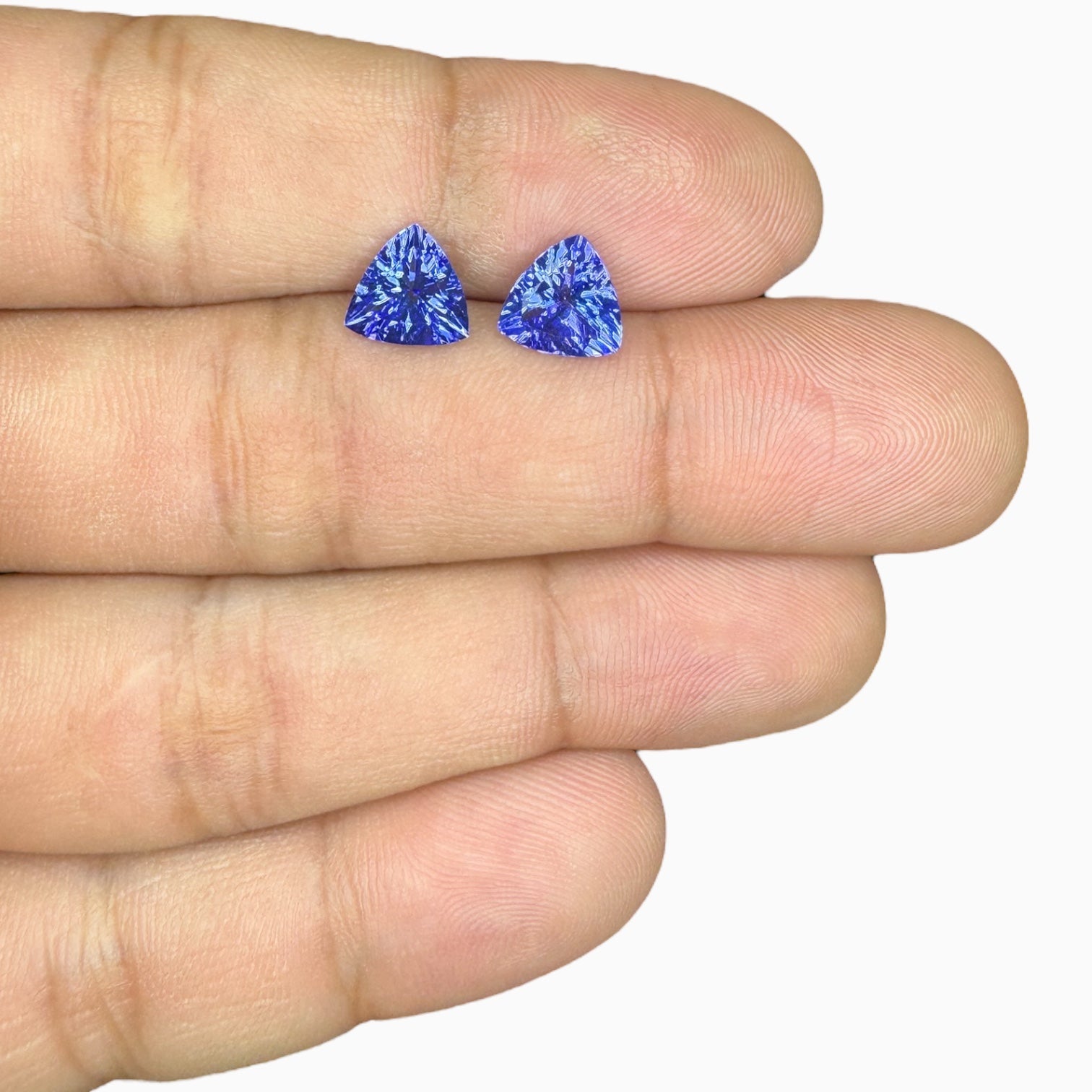
Tanzanite stone is a rare blue-violet gemstone that belongs to the mineral family known as zoisite. It is one of the few gemstones in the world that naturally displays multiple colors depending on the direction you view it and the type of light it is in. This optical property is called pleochroism, and in tanzanite it creates a stunning play of blue, violet, and burgundy tones all within the same stone.
On the Mohs hardness scale, tanzanite ranks at 6 to 7. This makes it moderately hard — suitable for jewelry but requiring a bit more care than harder stones like diamonds or sapphires.
Tanzanite was officially introduced to the world in 1967, which makes it a relatively new gemstone in the grand history of fine jewelry. Yet in just a few decades, it has become one of the most desired and talked-about stones in the world.
Tanzanite Stone Origins — A Story Like No Other
If there is one thing that makes tanzanite truly stand apart from every other gemstone, it is where it comes from.
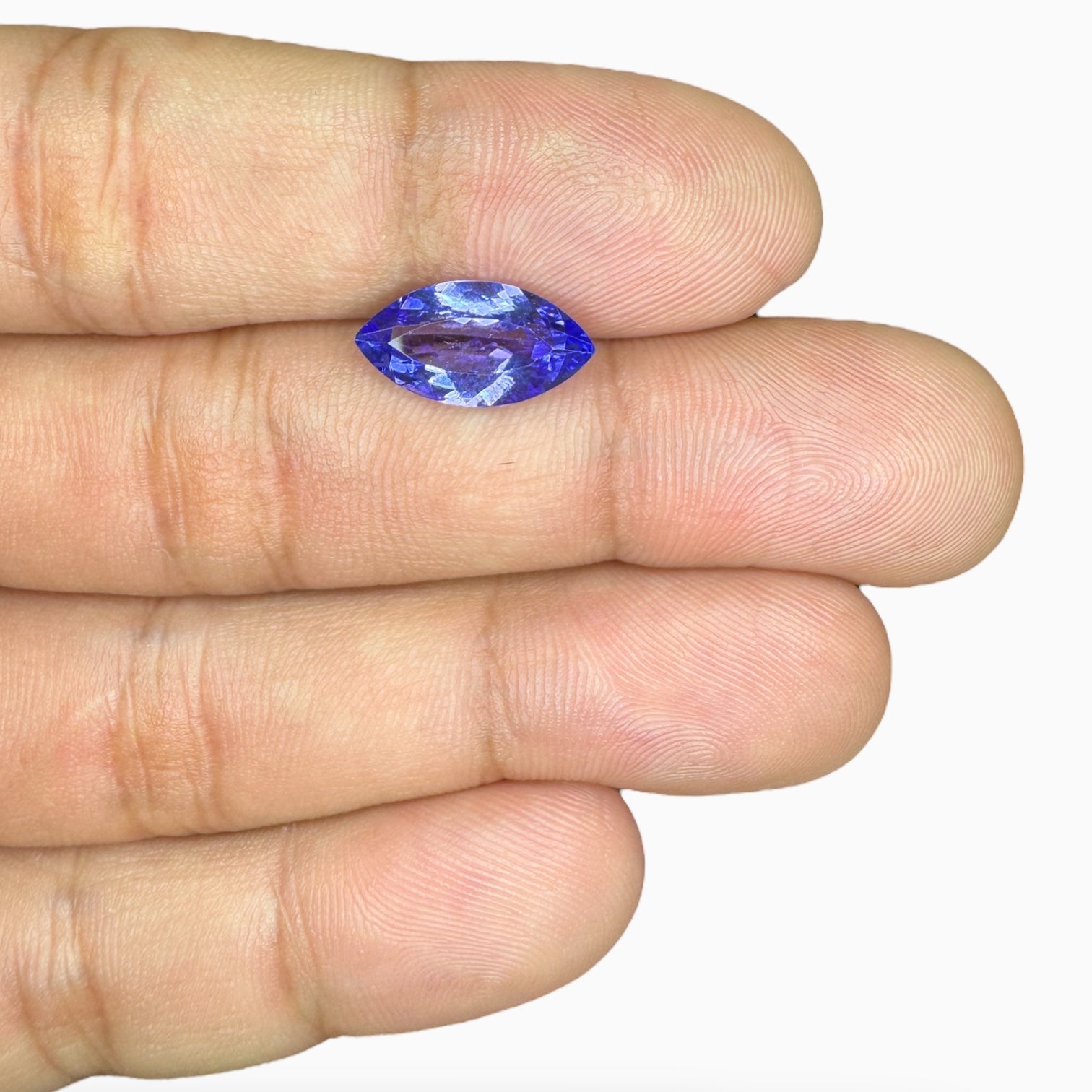
Tanzanite is found in only one place on earth — a small stretch of land in the Mererani Hills of the Manyara Region in northern Tanzania, near the base of Mount Kilimanjaro. This mining area covers just a few square kilometers. That is it. Nowhere else in the world has tanzanite ever been found.
This extraordinary exclusivity is not just a marketing claim. It is a geological fact. Tanzanite formed roughly 585 million years ago when massive tectonic plate movements created intense heat and pressure in the earth's crust. This geological activity, combined with the very specific mineral conditions present near Mount Kilimanjaro, produced the crystalline zoisite mineral that we now know as tanzanite.
Scientists and geologists have estimated that the conditions required to form tanzanite are so unique that the probability of finding a similar deposit anywhere else on earth is less than one in a million. Some experts even say that tanzanite is one thousand times rarer than diamonds.
The stone was first discovered by a Masai tribesman named Ali Juuyawatu in 1967, and was later popularized by the famous jeweler Tiffany & Co., who named it after its home country, Tanzania.
Today, tanzanite is considered a generational gemstone — meaning that at current mining rates, the known deposits could be exhausted within the next few decades. This has made it not just a beautiful gemstone, but also a potentially valuable one to own.
Tanzanite Colors — What Makes Each Shade Special
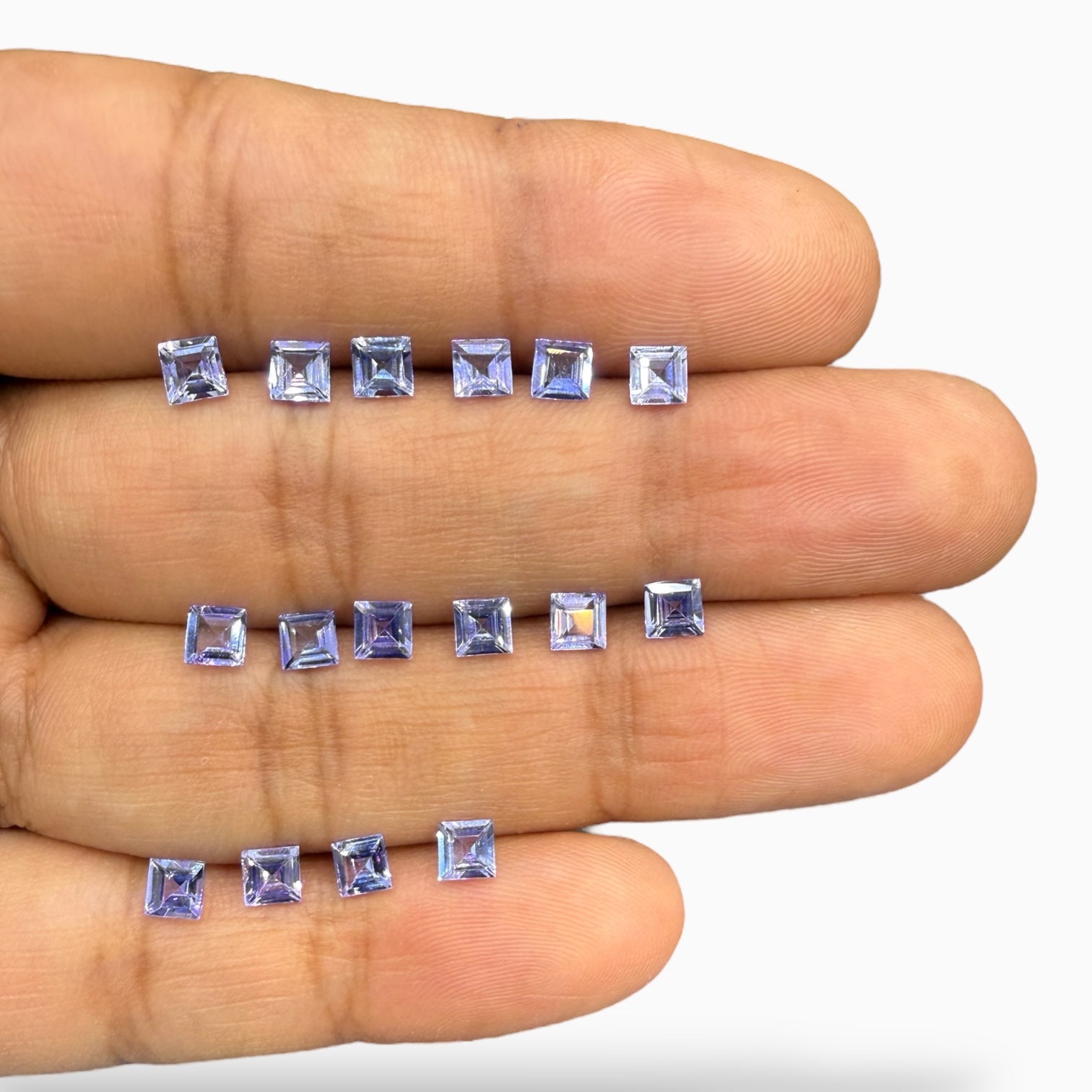
One of tanzanite's most unique characteristics is its natural color range. Unlike most gemstones that come in one dominant color, tanzanite naturally displays three distinct tones:
Blue Tanzanite — The most popular and widely recognized color. Deep blue tanzanite is the most valuable and sought-after variety. It resembles fine sapphire but with a unique violet undertone that sapphire does not have.
Violet Tanzanite — A rich purple-violet color that many collectors find equally beautiful. Violet tanzanite tends to be slightly more affordable than deep blue but is still highly prized.
Burgundy Tanzanite — The rarest natural color of tanzanite. Raw, unheated tanzanite often appears in a brownish-burgundy tone before heat treatment transforms it into the vivid blue-violet shades we associate with the gem.
Most tanzanite on the market today has been gently heat-treated to bring out its most vibrant blue and violet tones. This is a completely accepted and standard practice in the gemstone industry.
Tanzanite Stone Benefits
⚠ Disclaimer: The benefits described below are based on traditional beliefs, folklore, and metaphysical practices. They are not scientifically proven and should not be used as a substitute for professional medical, psychological, or therapeutic advice. Always consult a qualified healthcare provider for any health or mental health concerns. Gemstones are not medical treatments.
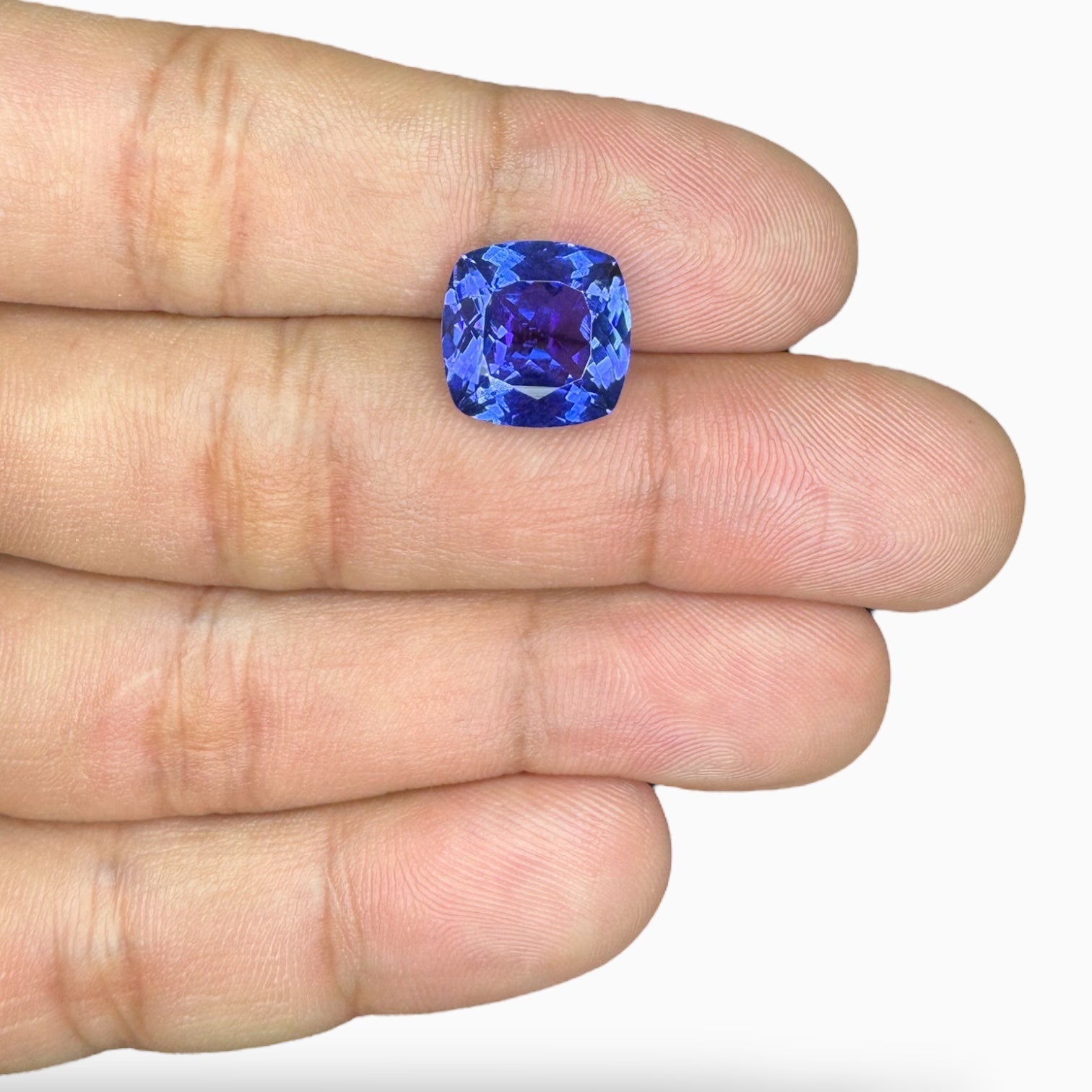
People across many cultures and traditions have attributed a range of meaningful benefits to tanzanite. Here is a detailed look at what it is believed to offer:
Builds Spirituality and Inner Depth
Tanzanite is widely considered a stone of spiritual awakening. It is believed to open the mind to a higher sense of awareness and encourage deeper compassion for others. Those who wear it often describe feeling more grounded, more empathetic, and more genuinely connected to the people around them. It is thought to reduce self-centeredness and inspire a sincere desire to help and uplift others.
Protects from Negative Energy
Tanzanite has long been used as a protective stone in many cultural traditions. It is believed to create a kind of energetic barrier around the wearer, shielding them from negative influences, harmful intentions, and the energy of the evil eye. Many people wear tanzanite specifically as a protective talisman.
Linked With Calm and Peace of Mind
One of tanzanite's most commonly shared traditional meanings is its calming energy. In crystal traditions, it is linked with a quiet mind and a sense of inner peace, even during busy times.
Balances Emotions
In crystal traditions, tanzanite is linked with emotional balance, especially for people who feel easily overwhelmed. The stone is believed to bring emotional equilibrium, helping the wearer think more clearly before responding and make decisions from a place of calm rather than impulse.
Encourages Kindness and Reduces Arrogance
Perhaps one of tanzanite's most unique attributed qualities is its connection to humility and kindness. It is believed to soften ego-driven behavior, reduce arrogance, and open the heart to genuine warmth and generosity. Wearers often describe feeling more patient, more understanding, and more willing to put others first.
Enhances Communication Skills
Tanzanite is associated with the throat chakra, the energy center linked to communication, self-expression, and speaking with clarity and confidence. Wearing tanzanite is thought to help people articulate their thoughts more clearly, communicate with more confidence, and express their feelings in a healthy and constructive way.
Tanzanite Stone Price Per Carat — What Should You Expect to Pay?
Tanzanite's rarity makes it one of the more premium gemstones in the market. Here is a general price guide:
Entry-level tanzanite (lighter color, smaller stones): $100 to $200 per carat — suitable for casual jewelry and first-time buyers.
Mid-grade tanzanite (good color saturation, clear stones): $200 to $400 per carat — popular for rings, pendants, and fine jewelry.
High-grade tanzanite (deep blue-violet, excellent clarity): $400 to $800 per carat — ideal for collectors and premium jewelry pieces.
Top-grade tanzanite (vivid deep blue, large stones, AAA quality): $800 to $1,200+ per carat — for serious collectors and investment-grade pieces.
The price of tanzanite is mainly determined by four factors: color intensity (deeper and more vivid = higher price), clarity (fewer inclusions = more valuable), carat weight (larger stones increase dramatically in price per carat), and cut quality (how well the stone has been shaped to show off its natural color play).
Because tanzanite deposits are finite and expected to be depleted within the coming decades, many experts consider it a smart long-term investment as well as a beautiful gemstone to wear.
Tanzanite Stone Uses — Where and How Is It Worn?
Tanzanite's stunning beauty and elegant color range make it a popular choice across many types of fine jewelry. Here are the most common uses:
Engagement Rings — Tanzanite engagement rings have become increasingly popular as couples seek alternatives to traditional diamond rings. The deep blue-violet color symbolizes loyalty, depth, and uniqueness — all meaningful qualities for an engagement.
Pendants and Necklaces — A tanzanite pendant is one of the most elegant ways to wear the stone. When worn close to the throat, it is also thought to connect with the throat chakra, enhancing the stone's communication-related benefits.
Bracelets — Tanzanite bracelets are a popular choice for daily wear, keeping the stone close throughout the day.
Earrings — Tanzanite earrings frame the face beautifully and make a statement without being overpowering.
Special Occasion Jewelry — The color of tanzanite pairs beautifully with white gold, platinum, and white diamonds, making it a go-to choice for anniversary gifts, milestone celebrations, and formal events.
How to Care for Tanzanite Stone
Because tanzanite ranks 6 to 7 on the Mohs hardness scale, it is softer than many other popular gemstones and requires mindful care:
Store tanzanite separately from harder stones like diamonds, rubies, or sapphires that could scratch its surface. Wrap it in a soft cloth or keep it in its own compartment in your jewelry box.
Clean tanzanite gently using lukewarm water and a soft cloth or brush with mild soap. Rinse thoroughly and pat dry. Never use ultrasonic cleaners, steam cleaners, or harsh chemical solutions as these can damage the stone.
Remove tanzanite jewelry before swimming, exercising, gardening, or doing household chores. Chlorine in pools and cleaning chemicals can affect both the stone and its setting.
Avoid dropping tanzanite on hard surfaces as it can chip or crack due to its moderate hardness.
Avoid prolonged exposure to direct sunlight or extreme heat as this can affect the color stability of the stone over time.
Who Should Wear Tanzanite?
Tanzanite is generally considered compatible with most people, but here are those who are traditionally said to benefit most:
People born in December — tanzanite is one of the official December birthstones, alongside turquoise and blue zircon.
Sagittarius zodiac sign (November 22 to December 21) — traditionally the most compatible sign for tanzanite.
People who want to develop stronger communication skills or emotional balance.
Anyone working on spiritual growth or deepening their meditation practice.
Creative professionals such as writers, artists, speakers, and teachers.
People going through major life changes.
Are There Any Side Effects of Tanzanite?
⚠ Disclaimer: The following are based on traditional and metaphysical beliefs only and are not scientifically verified.
While tanzanite is widely considered a positive and uplifting stone, some traditional beliefs suggest that it may not be ideal for everyone:
Some traditions say tanzanite's calming energy may feel too gentle for people who are already naturally relaxed.
In crystal traditions, tanzanite is linked with bringing old memories and feelings to the surface. Some people find this meaningful, while others may prefer to wear it only now and then.
As a general best practice, many crystal enthusiasts recommend taking short breaks from wearing any stone regularly — removing it overnight or during rest days — to allow your energy and the stone's energy to reset.
How to Tell If Your Tanzanite Is Real
With tanzanite's high value and popularity, fakes and imitations do exist in the market. Here are some ways to verify authenticity:
Color play: Genuine tanzanite shows multiple colors (blue, violet, and sometimes burgundy) depending on the angle and light. A stone that shows only one flat color may not be genuine.
Weight: Real tanzanite has a specific gravity of 3.1 to 3.4, meaning it feels noticeably heavier than glass or plastic imitations of the same size.
Temperature: Like most genuine gemstones, tanzanite feels cool to the touch when first picked up. Plastic imitations warm up almost instantly.
Professional certification: The most reliable method is always to buy from a trusted seller who provides a certificate from a recognized gemological authority such as GIA (Gemological Institute of America) or IGI (International Gemological Institute).
Frequently Asked Questions About Tanzanite Stone
Q: Can tanzanite be kept by the bed? A: Yes, some crystal enthusiasts like to place tanzanite on the nightstand, as its calming energy is linked with a quiet mind in crystal traditions.
Q: What is the tanzanite stone birth month? A: Tanzanite is one of the official birthstones for December. People born in December are traditionally thought to have the strongest natural affinity with this stone.
Q: How powerful is tanzanite stone? A: According to traditional beliefs, tanzanite is considered one of the more powerful spiritual stones. It is associated with promoting spirituality, enhancing communication, and protecting from negative energy. Its rarity adds to its perceived strength and significance.
Q: What makes tanzanite so special? A: Several things make tanzanite extraordinary — its single-source origin (only found near Mount Kilimanjaro in Tanzania), its natural color-shifting ability (pleochroism), its geological rarity (estimated to be 1,000 times rarer than diamonds), and the fact that its known deposits may be fully mined out within decades. It is a gemstone that genuinely cannot be replicated or found anywhere else on earth.
Q: Can tanzanite be worn every day? A: Tanzanite can be worn daily, but it requires more careful handling than harder stones. Avoid exposing it to rough physical activity, chemicals, or impact. In protective settings like bezel-set rings or pendants, it can comfortably be worn every day.
Q: Is tanzanite more valuable than diamonds? A: In terms of rarity, tanzanite is considered significantly rarer than diamonds. However, diamonds still command higher market prices overall due to their established global demand. That said, fine quality tanzanite has been steadily increasing in value and is considered a smart investment by many collectors.
Q: Does tanzanite change color? A: Yes — this is one of tanzanite's most beloved characteristics. It naturally displays different colors (blue, violet, burgundy) depending on the viewing angle and the type of light. This is called pleochroism and it is a genuine optical property of the mineral, not a treatment or enhancement.
Q: Is tanzanite a good gift? A: Tanzanite makes a deeply meaningful gift, especially for December birthdays, engagements, anniversaries, or any milestone celebration. Its rarity makes it feel genuinely special, and its beautiful blue-violet color is universally admired.
Final Thoughts
Tanzanite is not just a gemstone — it is a piece of geological history that exists nowhere else on earth. Its one-of-a-kind origin story, its breathtaking color range, and its growing rarity all combine to make it one of the most compelling stones in the world of fine jewelry.
Whether you are drawn to tanzanite for its stunning beauty, its December birthstone significance, its believed spiritual and emotional benefits, or simply as a smart and meaningful investment — it delivers on every level.
If you have been thinking about adding tanzanite to your life or your jewelry collection, there truly is no stone quite like it. And as deposits continue to be mined, the window to own one at today's prices may be more limited than many people realize.
⚠ Final Disclaimer: This article is for informational and educational purposes only. All metaphysical, spiritual, and healing properties described are based on traditional beliefs and cultural folklore, not scientific evidence. Tanzanite and other gemstones are not substitutes for professional medical, psychological, or therapeutic treatment. Always consult a qualified healthcare professional for any health concerns.