

Natural Amber Stone Benefits and Healing Properties
Most gemstones are born from rock. They form deep in the Earth over millions of years under enormous pressure and heat — minerals crystallizing into the beautiful stones we know as ruby, emerald, sapphire, and diamond. But amber is completely different. Amber does not come from rock. It comes from trees. It is life itself — preserved, transformed, and offered back to us across an almost unimaginable span of time.
Natural amber is fossilized tree resin — the sticky, golden substance that ancient trees produced millions of years ago when they were damaged or stressed. Over tens of millions of years, this resin hardened, fossilized, and became the warm, glowing, honey-colored stone we know as amber. Some pieces of amber contain perfectly preserved insects, plants, or air bubbles from millions of years ago — making each stone a literal window into the ancient world.
In this complete guide, you will learn everything about natural amber stone — its extraordinary formation process, its meaning, its healing properties, its colors, price, who can wear it, and how to care for it. Whether you are discovering amber for the first time or looking to understand it more deeply, this is the only guide you need.
Natural Amber Stone — Quick Facts
Here is a complete quick-reference guide to everything essential about natural amber stone before we explore its benefits in detail.
|
Property |
Detail |
|
Type |
Organic gemstone — fossilized tree resin |
|
Age |
Millions of years old (10 – 320 million years) |
|
Hardness |
2 – 2.5 on Mohs scale — handle with care |
|
Color Range |
Yellow, golden, orange, red, brown, white, green, blue (rare) |
|
Main Sources |
Baltic Sea region — Latvia, Lithuania, Poland, Russia, Germany |
|
Birthstone |
Traditionally linked to Leo zodiac sign |
|
Meaning |
Cleansing, renewal, ancient energy, warmth, and protection |
|
Best Known For |
Healing properties, pain relief, stress reduction, and joy |
What Is Natural Amber Stone?
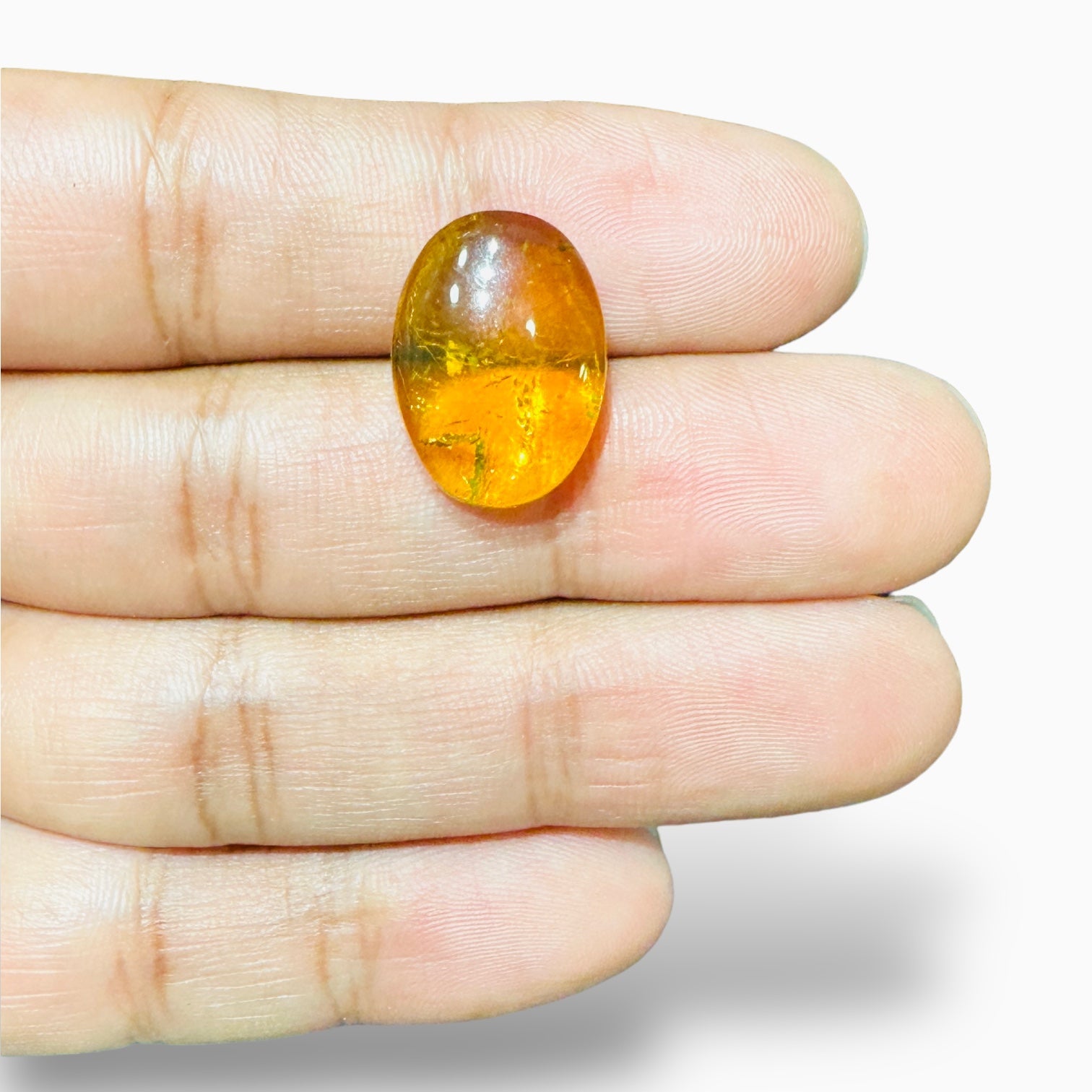
Amber is one of the most extraordinary materials on Earth — it is not a mineral at all in the technical sense. Mineralogists classify it as an organic gemstone, alongside pearl and coral, because it originates from living organisms rather than geological processes.
The story of amber begins with ancient trees — primarily conifer species like pine, spruce, and fir that grew in warm, humid forests millions of years ago. When these trees were damaged by insects, wind, fire, or disease, they produced a thick, sticky resin to seal the wound. This resin poured down the trunk and branches, trapping anything that came into contact with it — insects, plant material, air bubbles, even small animals.
Over millions of years — through burial, compression, and chemical transformation — this resin gradually hardened and polymerized into a stable, solid material. The process is not quick: true amber is at least 10 million years old. The most prized Baltic amber, from the shores of the Baltic Sea, is approximately 44 million years old. Some amber deposits are even older — the most ancient known amber dates back over 300 million years.
The result is the warm, golden, translucent stone we know as amber — a piece of ancient life, preserved perfectly, carrying within it the warmth and energy of millions of years of sunlight, trees, and living earth.
Natural Amber Stone Origins
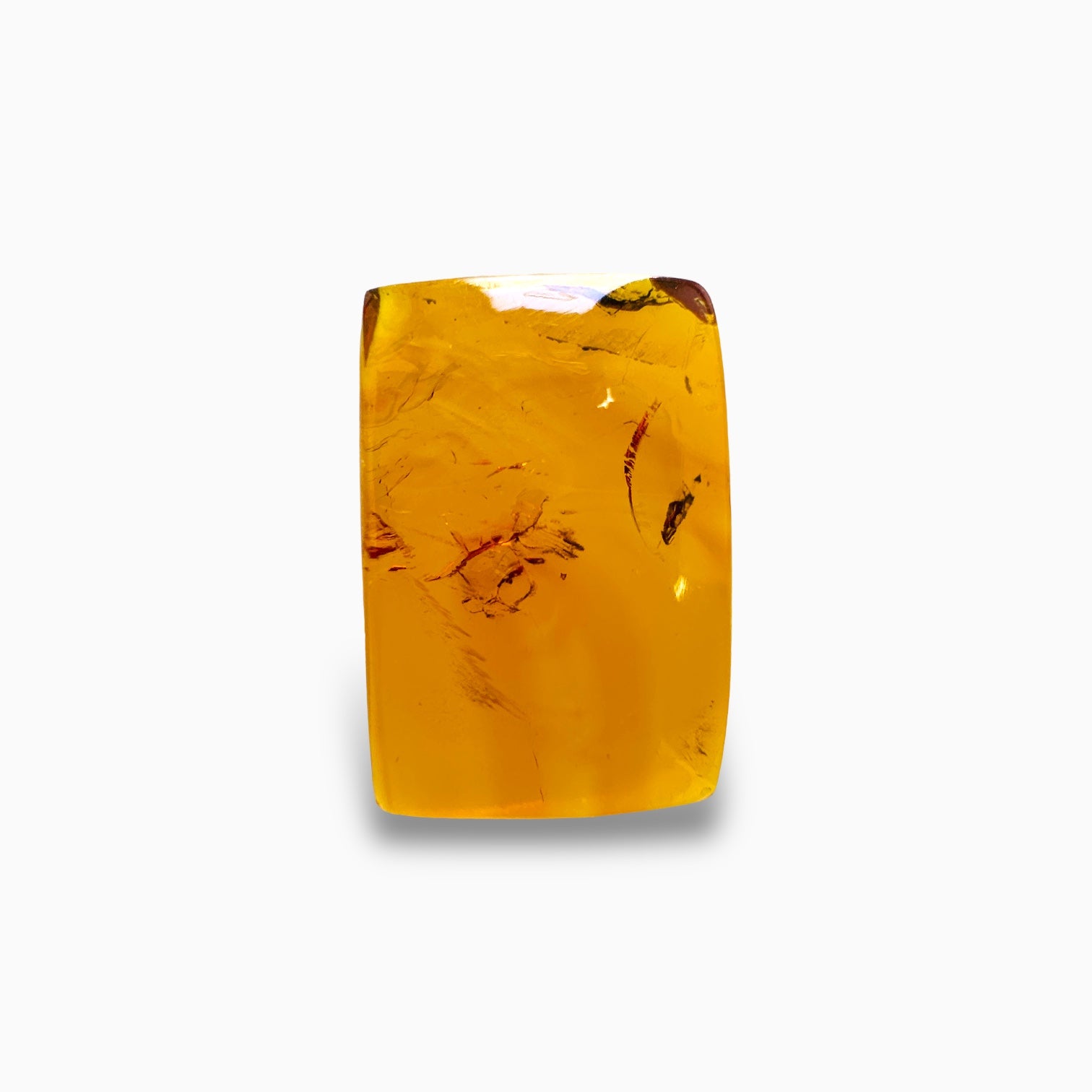
Where amber comes from significantly affects its character, color, and value. Here is a guide to the world's most important amber sources.
The Baltic Region — The World's Richest Source
The Baltic Sea coastline — encompassing Latvia, Lithuania, Poland, Russia (Kaliningrad), Germany, Denmark, and southern Sweden — is by far the richest amber-producing region on Earth. Baltic amber is approximately 44 million years old and was formed from ancient forests that once covered what is now northern Europe. Baltic amber is the most abundant, most widely available, and most thoroughly studied amber in the world. It is the benchmark for amber quality and the source of most amber available in the global market today.
The Samland Peninsula in Kaliningrad, Russia, is considered the epicenter of Baltic amber deposits — one of the densest concentrations of amber in the world. Storms regularly wash amber ashore along Baltic coastlines, and it can sometimes be collected directly from beaches — earning it the folk name 'sea gold.'
Dominican Republic — Rare Blue Amber
The Dominican Republic is home to one of the world's rarest amber varieties — blue amber. Dominican blue amber is approximately 15 to 40 million years old and appears a deep, rich blue color under certain lighting conditions — particularly UV light. This incredibly rare variety is prized by collectors worldwide and commands premium prices. Dominican amber frequently contains exceptional insect inclusions.
Myanmar (Burma) — Ancient Burmite Amber
Myanmar produces some of the oldest amber in the world — Burmite amber, which is approximately 99 million years old. This extraordinary amber from the Cretaceous period has yielded some of the most remarkable fossil inclusions ever found, including feathered dinosaur tail segments. Burmite is primarily of scientific and collector interest.
Other Sources
Amber is also found in Mexico, Canada, Romania, Ukraine, and parts of Africa. Each source produces amber with slightly different characteristics — different colors, different ages, and different types of inclusions.
How Natural Amber Is Formed — The Fascinating Process
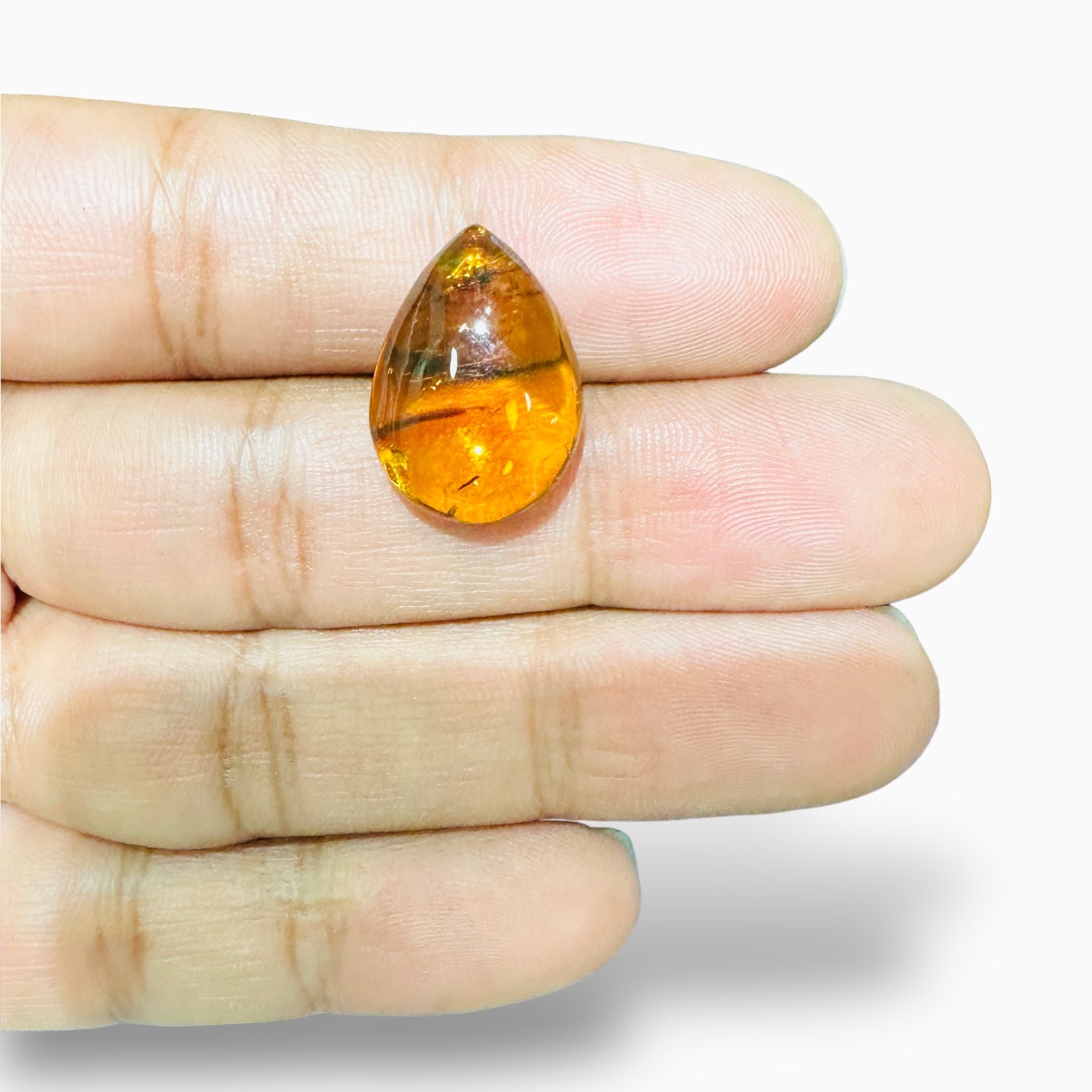
Amber's formation is one of nature's most patient processes. Understanding how amber forms helps you appreciate why each piece is so unique and so genuinely ancient.
✦ A tree — typically a conifer like pine, spruce, or fir — is damaged by insects, storms, or disease
✦ The tree responds by producing resin — a thick, sticky, aromatic substance designed to seal the wound and protect against further damage
✦ Fresh resin flows down the tree's surface, trapping insects, plant material, air bubbles, and other organisms in its sticky embrace
✦ Over hundreds of thousands of years, the volatile compounds in the resin evaporate and the resin hardens into a substance called copal — the intermediate stage between fresh resin and true amber
✦ Over millions of years, continued burial, pressure, heat, and chemical transformation convert the copal into genuine amber — fully polymerized, stable, and no longer degrading
✦ Geological activity eventually brings the amber to the surface — through erosion, river systems, or uplift — where it can be discovered, mined, or washed ashore
This entire process takes a minimum of ten million years. The amber you hold in your hand began its journey in an ancient forest that no longer exists, on a landscape that looked completely different from the world we know today. That is what you carry when you wear amber — genuine geological time.
Natural Amber Stone Meaning
Amber's meaning is deeply connected to its origins — and those origins make it one of the most symbolically rich materials in the entire gemstone world.
Cleansing and Renewal
Amber's primary meaning is cleansing and renewal. Just as the tree produced resin to cleanse and heal its own wounds, amber is believed to carry a purifying energy that cleanses the body, mind, and spirit of the people who wear it. It is associated with removing stagnant or negative energies and replacing them with fresh, warm, positive vitality.
Ancient Energy and Wisdom
No other gemstone carries quite the same quality of ancient energy as amber. Holding a piece of genuine Baltic amber means holding something that existed 44 million years ago — long before humans, long before most animals we recognize today. This deep antiquity gives amber a unique resonance in spiritual practice. It is believed to connect the wearer to the wisdom and energy of deep time — the slow, patient, enduring power of the natural world across millions of years.
Warmth, Light, and Sunshine
Amber's golden color and warm, glowing appearance have made it a sun symbol in cultures around the world. It is associated with the warmth and life-giving energy of the sun — the quality of warmth that sustains life, promotes growth, and drives away cold and darkness. In many traditions, amber is worn to invite the sun's positive energy into the wearer's life.
Protection and Sacred Use
Amber has been used in religious and spiritual ceremony across cultures for thousands of years. Ancient Greek priests burned amber as incense. Roman soldiers wore amber amulets for protection in battle. Baltic peoples considered amber a sacred gift from the sea. Islamic scholars have referenced amber in traditional medicine. This consistent cross-cultural use across thousands of years speaks to amber's uniquely accessible and universally recognized spiritual quality.
Natural Amber Stone Benefits & Healing Properties
Amber has been used in traditional medicine and holistic healing for thousands of years across many cultures. Here is a complete look at its most widely recognized benefits and healing properties.
1. Immune System Support
One of the most celebrated healing properties of amber — particularly in European traditional medicine — is its believed ability to support and strengthen the immune system.
✦ In holistic practice, amber worn against the skin is believed to release small amounts of succinic acid — a naturally occurring compound found abundantly in Baltic amber
✦ Succinic acid has been studied in modern science for its role in cellular energy production
✦ Baltic amber teething necklaces for infants — based on this traditional belief — have been used in European countries for generations, though medical authorities advise caution regarding choking risks
✦ Wearing amber is believed to stimulate the body's natural defense systems and improve overall physical resilience
✦ Said to be particularly beneficial during periods of illness recovery or physical weakness
2. Pain Relief
Amber's association with pain relief is one of its oldest and most consistent traditional uses. Across multiple cultures and centuries, amber has been used to ease discomfort and support the body's natural healing processes.
✦ Traditionally used to reduce joint pain, muscle aches, and headaches in European folk medicine
✦ Said to have natural anti-inflammatory properties when worn directly against the skin
✦ Associated with reducing the pain of teething in infants in Central European tradition — though always consult a healthcare professional before using any gemstone for this purpose
✦ Believed to reduce chronic pain when worn regularly over extended periods
✦ Associated with calming the nervous system and reducing the body's pain response
3. Stress Reduction & Mental Peace
Amber's warm, golden energy is widely associated with mental calm and stress relief. It is one of the most recommended stones in crystal healing for people dealing with anxiety, worry, or overwhelming stress.
✦ Believed to calm an overactive or anxious mind and bring it back to a state of peaceful focus
✦ Said to reduce the physical tension that accompanies stress — releasing tightness in muscles and blood vessels
✦ Associated with creating a sense of warmth and security — the feeling of being protected and cared for
✦ Thought to improve sleep quality by calming the mind before rest
✦ Said to help people process and release emotional burdens that they have been carrying too long
4. Hormonal Balance
In traditional holistic practice, amber worn close to the skin — particularly around the neck and throat area — is believed to support hormonal balance throughout the body.
✦ Said to support the endocrine system and help regulate hormonal fluctuations
✦ Associated with easing symptoms related to hormonal imbalance in both men and women
✦ Thought to be particularly beneficial for women during periods of hormonal change
✦ Believed to support thyroid function when worn as a necklace close to the throat
5. Skin Health & Swelling
Amber's anti-inflammatory associations extend to skin health, where it has been used in various traditional healing practices.
✦ Said to reduce skin inflammation, redness, and swelling when worn against the affected area
✦ Associated with supporting skin clarity and reducing allergic skin responses
✦ Believed to promote skin healing and support the body's natural tissue repair processes
✦ Some traditional European practices use amber-infused preparations for skin conditions — though these are not medically validated
6. Joy, Positivity & Emotional Wellbeing
✦ Amber is strongly associated with joy — the warm, uncomplicated happiness that comes from feeling safe, loved, and alive
✦ Believed to lift low moods and help people reconnect with a sense of genuine happiness
✦ Associated with bringing clarity to people who feel confused, lost, or overwhelmed by life
✦ Said to help people who have been experiencing a run of bad luck by clearing the energetic conditions that attract negative outcomes
✦ Thought to balance the life cycle — bringing a sense of flow and harmony to daily existence
✦ Associated with opening the heart to gratitude and appreciation for the small, good things in life
All benefits listed here are based on traditional beliefs, cultural practices, and holistic folklore. They are not scientifically proven medical facts and should not replace professional medical advice. Please see the full disclaimer at the end of this article.
Amber Stone Colors — A Complete Guide
One of the most beautiful things about amber is the extraordinary range of colors it naturally produces. Each color is determined by the origin, age, and composition of the specific piece — giving every amber stone its own completely unique character.
Golden Yellow — The Classic Amber Color
Golden yellow is the color most people associate with amber — a warm, honey-like yellow that glows beautifully in light. This is the most common Baltic amber color and the one with the longest history of use in jewelry. Golden amber has a cheerful, sunny quality that makes it one of the most immediately appealing gemstone colors in the world.
Cognac / Warm Orange
Cognac amber — named for its resemblance to fine aged brandy — has a rich, warm orange-brown tone that is particularly popular in jewelry. This color is widely available in Baltic amber and looks stunning in both gold and silver settings. It is considered one of the most wearable and versatile amber colors.
Butterscotch / Yellow-Orange
Butterscotch amber sits between golden yellow and cognac — a warm, rich, creamy orange that is particularly popular for larger statement pieces. This color is associated with warmth, comfort, and abundance.
White / Milky Amber
Baltic white amber — sometimes called bone amber — has a milky, opaque appearance caused by millions of tiny air bubbles trapped within the stone. This variety has been valued since ancient times and is associated with purity and clarity. It is lighter in weight than transparent amber and has a distinctive, soft appearance.
Red / Cherry Amber
Red or cherry amber has a deep, rich reddish-brown color that is produced by oxidation of the amber's surface over time — or by heat treatment. Natural red amber is highly prized and very attractive in jewelry. Its deep, jewel-like color makes it one of the most dramatic amber varieties.
Green Amber — Rare and Beautiful
Natural green amber is a rarer variety that has a green tint caused by plant material or specific chemical conditions during fossilization. True natural green amber is quite rare and is valued by collectors. Much green amber on the market has been treated — always ask your seller whether the color is natural.
Blue Amber — The World's Rarest Variety
Dominican blue amber is the rarest and most extraordinary amber variety. It appears a normal golden-brown color in ordinary light — but under UV light or strong daylight, it fluoresces a striking, vivid blue. This phenomenon is caused by a specific chemical compound in the ancient resin and is unique to Dominican amber. Fine blue amber is extremely valuable and highly collectible.
Amber Stone Price Guide
Amber is one of the most accessible and affordable organic gemstones — making beautiful, meaningful amber jewelry available to almost everyone. Here is a clear price breakdown.
|
Amber Type |
Price Range |
Best For |
|
Baltic Golden Amber |
$40 – $150 per piece |
Fine jewelry & healing |
|
Baltic Cognac Amber |
$30 – $120 per piece |
Rings & pendants |
|
Baltic White / Milky |
$25 – $100 per piece |
Healing & everyday wear |
|
Green Amber (natural) |
$60 – $200 per piece |
Collectors & rare jewelry |
|
Blue Amber (Dominican) |
$100 – $400+ per piece |
Rarest — collectors only |
|
Inclusions Amber |
$50 – $500+ |
Scientific & collector value |
The factors that most affect amber price are: color rarity (blue and green are most expensive), clarity and translucency, size, and whether the stone contains interesting inclusions. Amber with trapped insects or other biological material is particularly prized by collectors and can command significant premiums.
Be aware that amber is one of the most frequently imitated gemstones. Plastic, glass, and copal (immature resin that has not yet become true amber) are all sold as amber in less reputable markets. A simple test: real amber floats in saturated salt water — most fakes sink. Also, real amber feels warm to the touch and is light for its size.
Who Can Wear Amber Stone?
Amber is one of the most universally welcoming gemstones — it is generally considered safe and beneficial for almost anyone. Here is the traditional guidance.
✦ Leo (Simha) is the zodiac sign most traditionally associated with amber — the stone's golden, sun-like energy aligns naturally with Leo's solar qualities of warmth, confidence, and leadership
✦ Cancer (Karka) also benefits from amber's nurturing, calming energy — it supports emotional wellbeing and domestic harmony
✦ Taurus (Vrishabh) — amber's association with physical vitality and material comfort resonates well with Taurus energy
✦ Anyone dealing with stress, anxiety, or emotional heaviness is encouraged to try amber regardless of zodiac sign
✦ People going through illness recovery or physical depletion are often recommended amber for its revitalizing properties
✦ Amber is completely safe for children and is widely used in European tradition for infant teething — though always consult your healthcare provider first
✦ Amber has no known contraindications for any zodiac sign — it is one of the gentlest and most welcoming healing stones available
How to Wear Amber for Maximum Benefit
✦ Necklaces worn close to the skin are the most traditional and effective way to use amber — direct skin contact is believed to maximize healing benefit
✦ Amber rings place the stone in constant contact with the hands — good for grounding and physical vitality benefits
✦ Bracelets are popular for daily wear and look beautiful in all amber colors
✦ Placing a larger piece of amber in your home — particularly in the living area or bedroom — is believed to fill the space with warm, positive energy
✦ Holding amber during meditation is a popular practice for calming the mind and connecting with ancient, grounding energy
How to Tell Real Amber from Fake
Because amber is widely imitated, it is important to know a few simple tests that can help you distinguish real amber from plastic, glass, or copal fakes.
The Salt Water Float Test
Real amber is less dense than salt water and will float when placed in a saturated salt solution (approximately one tablespoon of salt per glass of water). Most plastic and glass fakes are denser than salt water and will sink. Copal — immature resin sometimes sold as amber — also sinks. This is one of the most reliable and accessible home tests for amber authenticity.
The Warmth Test
Real amber feels noticeably warm to the touch — warmer than glass or stone. It is also lighter than most fakes for its size. Hold the stone in your palm — genuine amber should feel warm, light, and almost organic in quality.
The Smell Test
Real amber has a distinctive, pleasant piney or woody smell when rubbed vigorously. Some people describe it as reminiscent of old pine forests or incense. Plastic fakes often smell chemical or have no odor. Copal smells more intensely resinous and is more sticky than genuine amber.
The Static Electricity Test
Real amber generates static electricity when rubbed against cloth — it will attract small pieces of paper or hair. Most fakes do not show this property (with the exception of some plastics that also create static).
How to Care for Amber Stone
Amber is a soft, organic material that requires more careful handling than hard mineral gemstones. Here is how to keep your amber beautiful.
✦ Clean gently with a soft, damp cloth — avoid soaking amber in water for extended periods
✦ Keep away from perfume, hairspray, sunscreen, and household chemicals — these can damage and cloud the surface
✦ Store separately in a soft pouch or cloth — amber scratches very easily at 2 to 2.5 on the Mohs scale
✦ Avoid prolonged exposure to direct sunlight — this can cause amber to crack or fade over time
✦ Keep away from extreme heat — amber can melt, crack, or change color at high temperatures
✦ Do not use ultrasonic cleaners, steam, or abrasive polishes on amber
✦ Handle with care — amber is softer than most gemstones and can chip or crack if dropped on hard surfaces
✦ Polish occasionally with a soft cloth lightly moistened with olive oil to restore surface lustre
Frequently Asked Questions About Amber Stone
Q: What is amber stone used for?
A: Amber is used for fine jewelry, holistic healing, and as a collector's material. In healing practice, it is used for stress relief, pain reduction, immune support, and emotional wellbeing. In jewelry, its warm golden color is prized in rings, necklaces, bracelets, and pendants. Exceptional amber pieces containing fossil inclusions are also valuable to scientists and collectors.
Q: Is amber an expensive stone?
A: Amber is generally one of the more affordable organic gemstones. Good quality amber pieces suitable for everyday jewelry are available from around $25 to $150. Rare varieties — particularly Dominican blue amber and inclusions amber — can be significantly more expensive. The price reflects origin, color rarity, clarity, and fossil content.
Q: Is wearing amber good for luck?
A: In traditional belief systems, amber is associated with clearing mental and spiritual blockages that prevent positive outcomes. By bringing clarity, warmth, and positive energy, it is believed to create conditions more favorable to good fortune. This is a traditional belief, not a scientific claim.
Q: Can you wear amber every day?
A: Yes — amber can be worn daily. It is a gentle, warm stone with no known negative effects for regular wearers. Just be mindful that its relative softness means it can scratch or chip if treated roughly — rings need more care than pendants or earrings.
Q: Who should wear amber?
A: Amber is most traditionally recommended for Leo zodiac sign, but it is considered beneficial and safe for virtually everyone. People dealing with stress, physical fatigue, or emotional difficulty are particularly encouraged to try amber. Consult a healthcare professional if using it for any specific health purpose.
Q: Does amber attract wealth?
A: In traditional belief, amber's clarity-bringing and positive-energy properties are believed to improve the mental conditions needed for financial success — clearer thinking, better decisions, and a more optimistic outlook. This is a traditional belief about indirect benefit rather than a direct wealth-attraction property.
Final Thoughts
Amber is unlike any other gemstone. It is not just beautiful — it is ancient. It is not just warm in color — it is warm in energy, in history, and in meaning. When you hold a piece of genuine Baltic amber, you are holding something that began its life 44 million years ago as the golden resin of an ancient forest. That is an extraordinary thing to carry with you.
Its benefits — from stress relief and pain reduction to joy and immune support — reflect its deep roots in human tradition. Cultures across thousands of years and dozens of countries have independently recognized something special in this warm, golden stone. That kind of consistent recognition, across such different traditions and such vast spans of time, speaks to something genuinely real.
Whether you are drawn to amber for its healing properties, its extraordinary history, its warm and beautiful color, or simply because it is one of nature's most remarkable creations — you are choosing a gemstone with a story that no other stone can match.
⚠️ DISCLAIMER
The healing properties, health benefits, and wellness claims mentioned in this article are based on traditional beliefs, cultural practices, and holistic folklore. They are not scientifically proven medical facts and should not replace professional medical advice, diagnosis, or treatment. Amber products intended for infants carry potential choking hazards — always consult a healthcare professional before use. Always consult a qualified healthcare professional for any health concerns. Price ranges are approximate market estimates and may vary by seller, quality, origin, and current market conditions. Authenticity testing methods described are for general guidance — consult a certified gemologist for definitive stone authentication.
Tags:
Previous
Alexandrite Gemstone Meaning Price and Benefits of Wearing
Next
Apatite Stone Benefits, Price, Birthstone, and Who Can Wear
Related Articles

Garnet That Changes Color? Yes, It Exists
Jan 15 2026