

Pearl Stone Benefits: Who Can Wear And What Are Color And Types
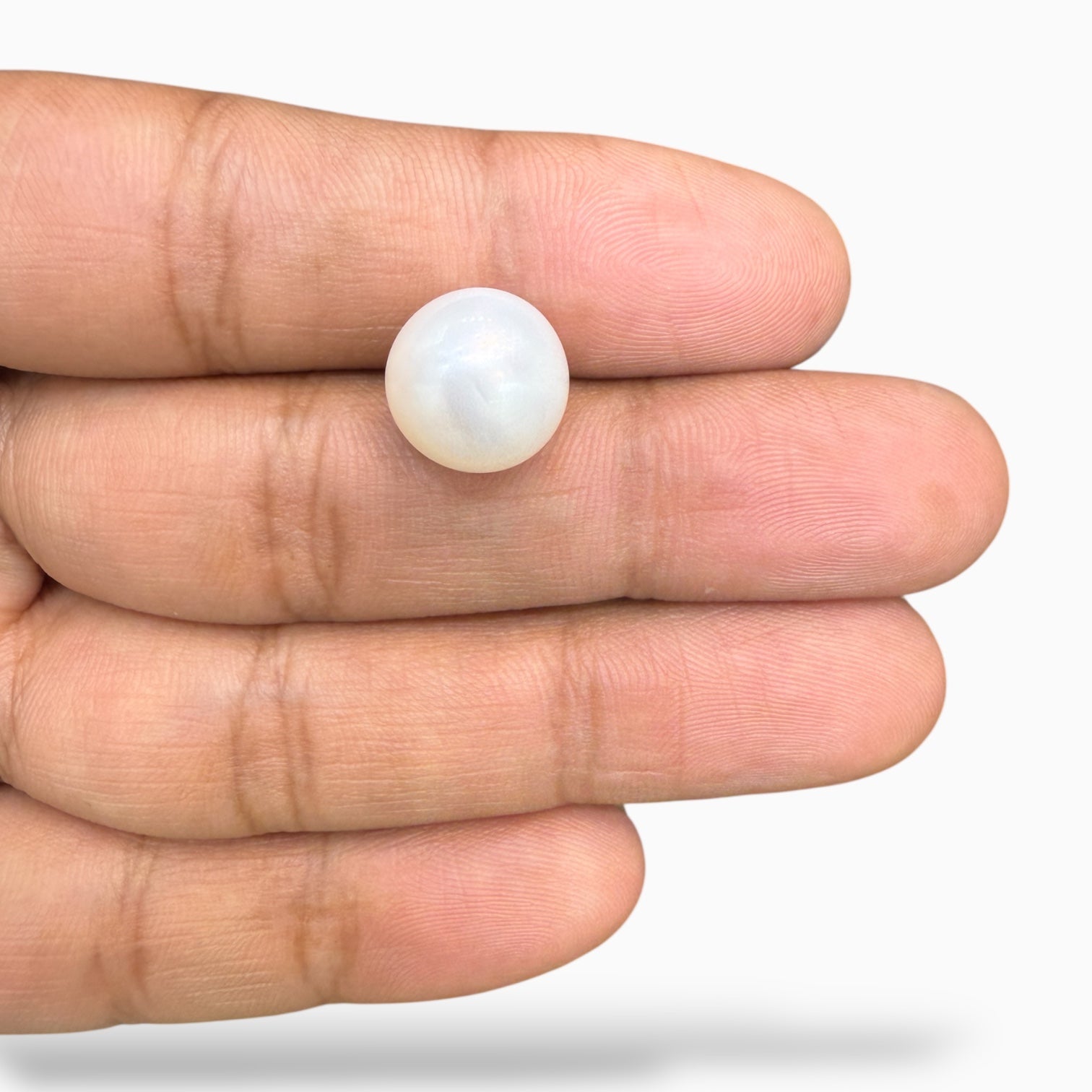
Some gemstones come from deep inside the Earth. But pearl is born in water — and that makes it unlike anything else you will ever wear. Formed naturally inside living oysters and mollusks, pearl is one of the most elegant, timeless, and meaningful gemstones in the world.
Also known as Moti in many South Asian cultures, pearl has been treasured for thousands of years by royalty, healers, and everyday people alike. It is soft, beautiful, full of meaning, and available at a price range that suits almost every budget.
In this guide, you will learn everything about pearl stone — its benefits, types, colors, jewelry styles, price, and who should (and should not) wear it. Whether you are buying your first pearl or looking to expand your gemstone collection, this is the only guide you need.
What Is Pearl Stone?
Pearl is a natural gemstone created by living shellfish — usually oysters or freshwater mussels. When a tiny irritant (like a grain of sand) enters the shell, the creature coats it with layers of a substance called nacre. Over time, these layers build up to form a pearl.
This process can take anywhere from a few months to several years, which is part of what makes pearl so special. Unlike most gemstones that are mined from rock, each pearl is a living creation — formed by nature's patience and precision.
Pearl comes in both natural (wild) and cultured varieties. Natural pearls are extremely rare and valuable. Cultured pearls are grown with human assistance but are still 100% real pearls — the same nacre layers form naturally inside the shellfish. Today, most pearls in the market are cultured pearls.
Pearl is the birthstone for June and is associated with purity, wisdom, and the calming energy of water. It has been used in jewelry, medicine, and ceremony across nearly every culture in human history.
Pearl Stone Benefits
Pearl has been associated with powerful positive qualities in traditional medicine, astrology, and holistic healing for centuries. Here are the most widely recognized benefits of wearing pearl stone.
Emotional & Mental Benefits
✦ Pearl is believed to bring deep calm and peace of mind to the wearer
✦ Said to reduce stress, anxiety, and emotional sensitivity
✦ Thought to help balance and stabilize emotions during difficult times
✦ Associated with clarity of thought and a more focused, positive mindset
✦ Believed to help people who overthink — bringing quiet to a busy mind
✦ Some traditions associate pearl with patience and the ability to stay calm under pressure
Confidence & Personality Benefits
✦ Wearing pearl is believed to boost self-confidence and personal presence
✦ Said to improve communication skills and help people express themselves clearly
✦ Associated with developing a warmer, more positive attitude toward others
✦ Thought to improve decision-making by bringing emotional balance
✦ Believed to enhance natural charisma and social grace
Physical Wellness Beliefs
✦ In traditional Ayurvedic and holistic practices, pearl is associated with supporting digestive health
✦ Believed to help regulate hormonal balance in both men and women
✦ Some practitioners use pearl to support eye health and skin radiance
✦ Associated with promoting restful sleep and reducing fatigue
✦ Traditionally used in some cultures as a remedy for skin-related concerns
Luck & Life Benefits
✦ Pearl is widely believed to attract good fortune and positive opportunities
✦ Associated with protection from negative energies and bad influences
✦ Thought to bring brightness, hope, and new beginnings into the wearer's life
✦ In many cultures, pearl symbolizes purity, love, and new chapters — making it a popular gift for weddings and new beginnings
Important: These benefits are rooted in traditional beliefs, astrology, and cultural practices. They are not medically proven facts. Please see the full disclaimer at the end of this article.
Types of Pearl Stone
Not all pearls are the same. There are four main types of cultured pearl, each with its own unique qualities, origin, and appeal. Understanding the differences will help you choose the right pearl for your needs and budget.
1. Akoya Cultured Pearl
Akoya pearls are the classic pearl — the one most people picture when they think of a pearl necklace. They are produced primarily in Japan, China, and Vietnam in saltwater oysters. Akoya pearls are famous for their exceptional round shape, mirror-like luster, and bright white or cream color.
They are the most popular pearl type in the United States and Europe, often used in fine jewelry, especially necklaces and earrings. Their perfect roundness and brilliant shine make them the gold standard of classic pearl jewelry.
2. South Sea Cultured Pearl
South Sea pearls are the largest and most luxurious cultured pearls in the world. They are grown in the warm waters of Australia, Indonesia, and the Philippines in large silver-lipped or gold-lipped oysters. South Sea pearls take 2 to 4 years to develop — much longer than other varieties — which gives them their extraordinary size and thick nacre.
These pearls range in color from bright white to deep golden yellow. Their size, weight, and satiny luster make them the most valuable cultured pearl type. South Sea pearl jewelry is considered a premium luxury product.
3. Tahitian Cultured Pearl
Tahitian pearls are grown in French Polynesia (Tahiti) in black-lipped oysters, and they are the only pearl that grows naturally in dark colors. These pearls come in a stunning range of shades — black, grey, peacock green, deep blue, brown, and aubergine — often with iridescent overtones that shift in the light.
No two Tahitian pearls look exactly the same, which makes them highly collectible. They are very popular in modern and statement jewelry because of their dramatic, exotic appearance. Tahitian pearls are available in a variety of shapes — round, oval, drop, baroque, and button.
4. Freshwater Cultured Pearl
Freshwater pearls are grown in rivers, lakes, and ponds — primarily in China. They are the most widely available and affordable pearl type in the market, which makes them perfect for everyday jewelry and beginners who are discovering pearl for the first time.
What freshwater pearls lack in the ultra-high luster of Akoya, they more than make up for in variety. They come in a wide range of sizes, shapes, and natural colors — white, pink, peach, lavender, and more. Freshwater pearls are also extremely durable thanks to their thick, solid nacre layer.
Pearl Stone Price Guide
Pearl is one of the few gemstones with a price range that truly suits every budget. Here is a clear overview of what you can expect to pay.
|
Pearl Type |
Price Per Carat |
Known For |
|
South Sea Pearl |
$100 – $400+ |
Largest & most luxurious |
|
Tahitian Pearl |
$80 – $300 |
Exotic dark colors |
|
Akoya Pearl |
$50 – $200 |
Classic shine & roundness |
|
Freshwater Pearl |
$20 – $100 |
Affordable & versatile |
Several factors affect the price of a pearl: size (larger pearls are significantly more expensive), luster (the brighter the shine, the higher the value), shape (perfectly round pearls command a premium), surface quality (fewer blemishes = higher price), and origin.
When shopping for pearl jewelry, always ask whether the pearls are natural, cultured, or imitation. Natural pearls are extremely rare and valuable. Imitation pearls (plastic or glass coated) should be clearly labeled and are not the same as cultured pearls.
Colors of Pearl Stone
One of the most exciting things about pearl is its natural color range. Unlike many gemstones that are always one color, pearls grow in a beautiful spectrum of shades — many of them unique to specific pearl types and origins.
White & Cream
The classic, timeless pearl color. White and cream pearls suit every skin tone and every style — from casual everyday wear to the most formal occasions. Akoya and freshwater pearls are the most common sources of white pearls.
Pink & Peach
Warm, romantic, and feminine — pink and peach pearls are a favorite in women's jewelry. These soft tones are most commonly found in freshwater pearls and complement warm skin tones beautifully.
Lavender & Purple
A softer, more unusual pearl color found mostly in freshwater varieties. Lavender pearls have a romantic, dreamy quality and look stunning in both silver and rose gold settings.
Golden Yellow
The prized color of South Sea pearls from the Philippines and Indonesia. Deep golden pearls are rare, luxurious, and suit warm and dark skin tones exceptionally well. They symbolize wealth and good fortune in many cultures.
Black & Peacock Green
The signature color of Tahitian pearls. These dark, dramatic shades — often with iridescent peacock green, blue, or purple overtones — create some of the most striking and unique jewelry in the world.
Grey & Silver
A sophisticated, modern pearl color that sits between classic white and dramatic black. Grey pearls work beautifully in contemporary jewelry design and are particularly popular with men's jewelry.
Pearl Stone Jewelry — Popular Styles
Pearl is one of the most versatile gemstones in jewelry design. It works in necklaces, earrings, rings, bracelets, and pendants — in styles ranging from classic traditional to bold modern. Here are the most popular ways to wear pearl.
Pearl Necklaces
✦ Classic single-strand pearl necklace — the most iconic jewelry piece in the world, timeless for any occasion
✦ Graduated pearl necklace — pearls increase in size from the sides to the center, creating an elegant, eye-catching focal point
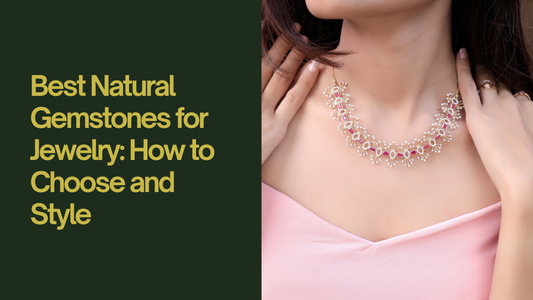
✦ Pearl and gemstone necklace — combines pearls with colored stones like sapphire, ruby, or emerald for a bold, colorful look
✦ Drop pearl pendant — a single pearl hangs from a chain, clean and minimal, perfect for everyday elegance
✦ Small pearl choker — tiny pearls set close together in a short necklace, modern and perfect for formal events
Pearl Rings
✦ Single pearl solitaire ring — one pearl at the center with a clean band, simple and deeply elegant
✦ Pearl and diamond halo ring — a center pearl surrounded by small diamonds or white stones for maximum sparkle
✦ Bypass pearl ring — two pearls set at either end of a curved band, a modern and sculptural design
✦ Vintage pearl ring — a center pearl surrounded by intricate metalwork and small accent stones in an antique style
✦ Multi-pearl cluster ring — several pearls grouped together on the band for a bold, statement look
Pearl Earrings & Bracelets
✦ Classic pearl stud earrings — a single pearl on each ear, the most universally flattering earring style
✦ Pearl drop earrings — a pearl that hangs below the ear lobe, elegant and movement-filled
✦ Pearl tennis bracelet — small pearls set continuously around the wrist, a refined and classic accessory
✦ Pearl charm bracelet — pearls mixed with gold charms for a personal, modern jewelry story
Who Should Wear Pearl Stone?
Pearl is widely considered a welcoming and gentle gemstone, but there are some traditional guidelines about who benefits most from wearing it.
✦ Pearl is the birthstone for June — it is an especially meaningful and powerful choice for people born this month
✦ In Vedic astrology, pearl is associated with the Moon and is often recommended for people with a weak or afflicted Moon in their birth chart
✦ People who struggle with anxiety, emotional instability, or stress are often advised to wear pearl for its calming energy
✦ Pearl is considered highly beneficial for people in careers involving communication, creativity, or public relations
✦ Both men and women can wear pearl with equal benefit — it is not restricted by gender
✦ Pearl is a traditional wedding gift and is considered auspicious for new beginnings, marriages, and fresh starts
In Vedic tradition, pearl is typically worn on the little finger of the right hand in a silver ring for maximum effect. However, this varies by tradition — always consult a qualified astrologer if you are seeking specific astrological guidance.
How to Care for Pearl Jewelry
Pearl is one of the softer gemstones, which means it needs a little more care than diamonds or rubies. Here is how to keep your pearl jewelry looking beautiful for a lifetime.
✦ Always put pearl jewelry on after applying perfume, hairspray, and makeup — chemicals can damage the nacre
✦ Wipe pearls gently with a soft, damp cloth after wearing to remove body oils and sweat
✦ Store pearls separately in a soft pouch — never in a hard box with other jewelry that can scratch them
✦ Never use ultrasonic cleaners, steam, or harsh chemicals on pearl jewelry
✦ Restring pearl necklaces every few years if worn regularly — the thread can weaken over time
✦ Avoid exposing pearls to very dry conditions — they benefit from the natural moisture of being worn regularly
Frequently Asked Questions About Pearl Stone
Q: What is the birthstone month for pearl?
A: Pearl is the official birthstone for June. It is a deeply personal and beautiful gift for anyone born in this month.
Q: Is pearl (Moti) good for luck?
A: In many cultural and astrological traditions, pearl is believed to attract good fortune, bring positive energy, and enhance confidence. These are traditional beliefs and not scientific claims.
Q: Which is the most popular type of pearl?
A: Akoya cultured pearl is considered the most classic and widely recognized type. However, freshwater pearls are the most commonly sold due to their wide availability and affordable price range.
Q: Is pearl a precious gemstone?
A: Pearl is classified as a semi-precious gemstone, though high-quality natural pearls and large South Sea pearls can command prices comparable to precious gemstones.
Q: Can pearl stone be worn every day?
A: Yes, pearl jewelry can be worn daily with proper care. Avoid exposing it to chemicals, perfumes, and rough activities to preserve the nacre and keep it looking its best.
Q: What finger should you wear a pearl ring on?
A: In Vedic astrology, pearl is traditionally worn on the little finger of the right hand in a silver setting. This is a traditional guideline — not a strict rule — and many people wear pearl rings on any finger they find comfortable.
Final Thoughts
Pearl is not just a gemstone — it is a symbol. It represents patience (because it takes years to form), purity (because it starts from something small and simple), and timeless beauty (because pearl jewelry never goes out of style).
From the classic white Akoya pearl necklace to the dramatic dark tones of a Tahitian pearl ring — there is a pearl for every person, every occasion, and every budget. Whether you are drawn to pearl for its elegant beauty, its traditional healing associations, or simply because it catches your eye, you are choosing something that has been loved by people across thousands of years of human history.
And that is something truly special.
⚠️ DISCLAIMER
The healing properties, astrological benefits, and wellness claims mentioned in this article are based on traditional beliefs, cultural practices, and gemstone folklore. They are not scientifically proven medical facts and should not replace professional medical advice, diagnosis, or treatment. Always consult a qualified healthcare professional for health concerns. Price ranges are approximate market estimates and may vary based on seller, origin, quality, and current market conditions.
Tags:
Previous
Opal Gemstone: Benefits, Value, Colors & Ring Types
Next
Aqeeq Stone Benefits And Who Can Wear Agate Stone
Related Articles

Garnet That Changes Color? Yes, It Exists
Jan 15 2026