

Rhodochrosite Metaphysical Properties And Benefits: Price And Values
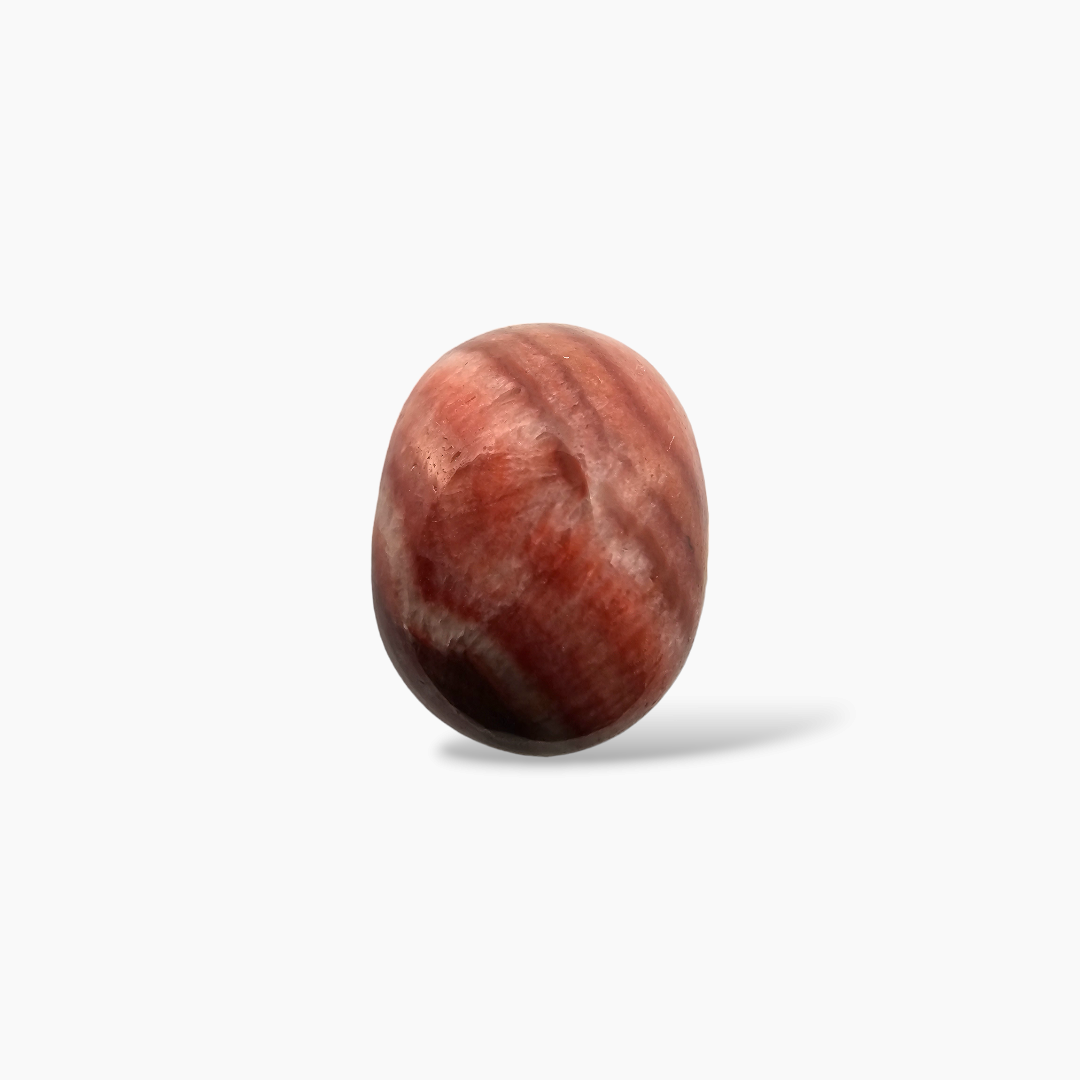
There are thousands of gemstones in the world, but very few stop you in your tracks the way rhodochrosite does. That extraordinary raspberry pink to rose red color, swirling with creamy white banding like a painting no human artist could replicate — it is one of the most visually stunning stones nature produces. But rhodochrosite is far more than a beautiful face.
This stone carries a deep tradition of meaning, healing, and metaphysical power that has drawn people to it for centuries. It is the stone of love — not just romantic love, but self-love, emotional healing, compassion, and the courage to open your heart fully without fear. For anyone working through emotional wounds, seeking greater self-understanding, or simply wanting a gemstone that combines breathtaking beauty with powerful symbolic meaning, rhodochrosite is one of the most extraordinary choices available.
In this complete guide, we will cover everything — what rhodochrosite is, how it forms, its physical properties, its deep metaphysical meaning, its healing benefits, how it compares to similar stones, its price range, how to use it, how to care for it, and answers to the most common questions people ask. By the end, you will know this remarkable stone inside and out.
What Is Rhodochrosite?
Rhodochrosite is a manganese carbonate mineral with the chemical formula MnCO₃. Its name comes directly from two ancient Greek words — rhodon, meaning rose, and chros, meaning color. Quite simply, it is named after its defining characteristic: its stunning rose-red color. And that name is perfect. No other stone in the gemstone world looks quite like rhodochrosite.
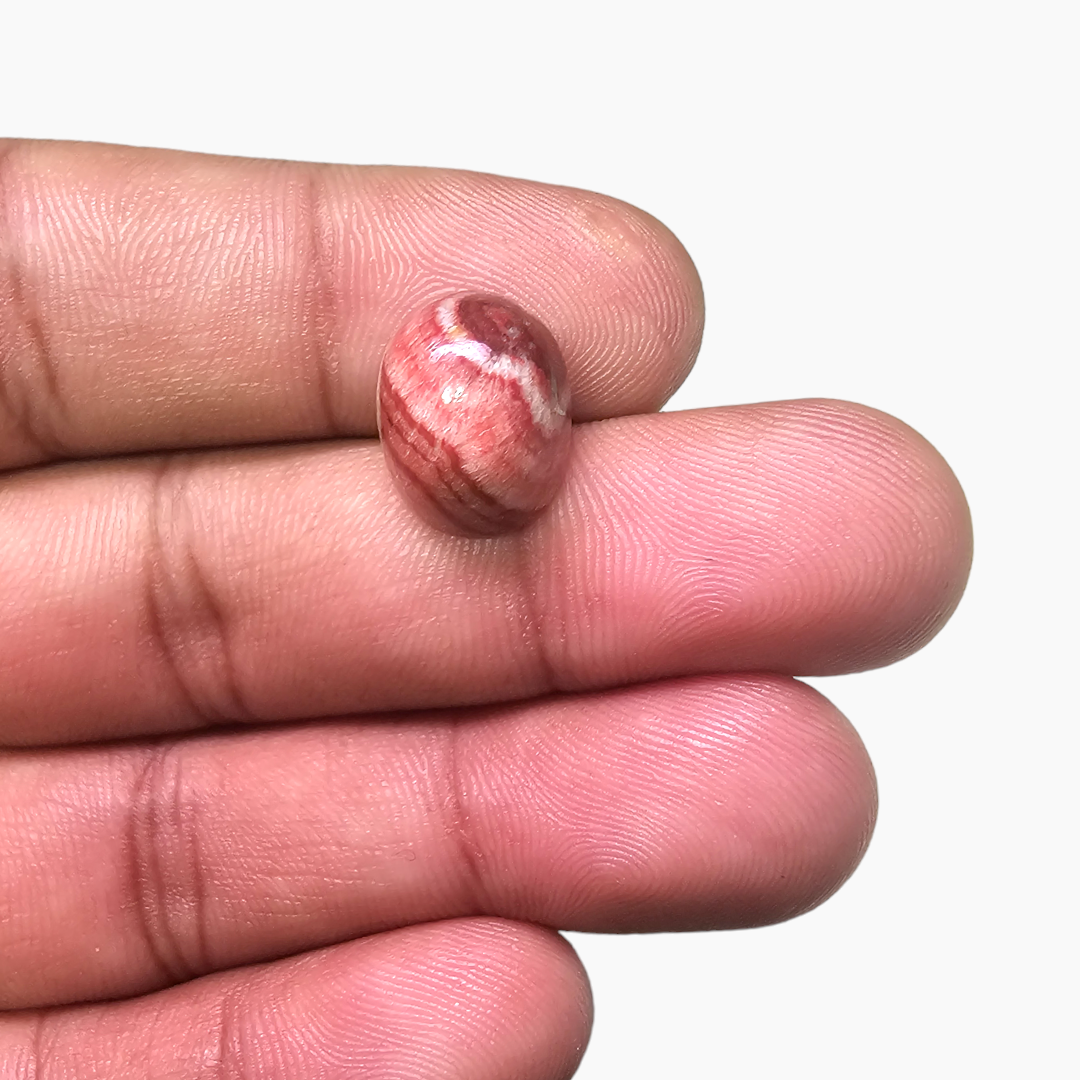
The stone forms in banded, swirling patterns of deep raspberry, hot pink, soft rose, and creamy white — each layer representing a different period of mineral deposition during the stone's formation. These banded patterns are completely unique to each specimen, making every piece of rhodochrosite a one-of-a-kind natural artwork.
Rhodochrosite occurs in two main forms. The more common form is opaque to translucent, with the characteristic pink and white banded patterns most people recognize. Rarer transparent rhodochrosite crystals — facet-quality stones with a vivid red or deep pink color — are among the most prized specimens in the gemstone world and command significant prices from collectors.
Major sources of rhodochrosite include Argentina (which produces some of the finest banded specimens in the world), Colorado in the United States (where it is the official state mineral), Peru, South Africa, Romania, and China.
How Rhodochrosite Forms: The Geological Story
The formation of rhodochrosite is a fascinating geological process that begins deep beneath the earth's surface and unfolds over millions of years.
Rhodochrosite typically forms through hydrothermal processes — the movement of hot, mineral-rich water through cracks, fissures, and veins in surrounding rock. These hydrothermal fluids are superheated by geothermal or volcanic activity deep within the earth and carry dissolved manganese and carbonate compounds in solution as they travel through rock fractures.
As these mineral-rich fluids move into cooler zones or encounter chemically reactive carbonate rocks, the dissolved manganese carbonate begins to precipitate out of solution and crystallize. Each layer of rhodochrosite deposited represents one period of this precipitation process. As conditions change slightly over time — temperature fluctuations, variations in mineral concentration, changes in fluid chemistry — new layers form with slightly different colors and textures. This layering is what creates the extraordinary banded patterns that define rhodochrosite's appearance.
The Capillitas mine in Argentina produces some of the most spectacular banded rhodochrosite in the world, including the famous Inca Rose specimens — stalactitic formations with concentric circular banding in cross-section that look almost unreal in their perfection. These specimens are among the most collectible and visually extraordinary mineral specimens on earth.
Physical Properties of Rhodochrosite
Understanding the physical properties of rhodochrosite is essential for anyone buying, wearing, or working with this stone.
Chemical formula: MnCO₃ (manganese carbonate)
Hardness: 3.5 to 4 on the Mohs hardness scale. This is relatively soft compared to most jewelry gemstones. For comparison, quartz is 7, rubies and sapphires are 9, and diamonds are 10. This relatively low hardness means rhodochrosite scratches more easily than most other jewelry stones and requires careful handling, particularly in ring settings where it is exposed to daily wear and abrasion.
Cleavage: Perfect in three directions — meaning it can cleave or split along flat planes when struck sharply. This makes rhodochrosite more vulnerable to impact damage than harder stones.
Color: Ranges from pale pink and soft rose to vivid raspberry, hot pink, and deep red. The color is caused by manganese in the crystal structure. Higher manganese concentration produces deeper, more saturated colors. Iron impurities can shift the color toward yellow or brown tones, which is generally considered less desirable.
Transparency: Ranges from fully opaque (banded specimens) to translucent to, in rare cases, fully transparent (facet-quality crystals).
Luster: Vitreous (glass-like) on fresh, polished surfaces.
Crystal system: Trigonal, forming rhombohedral crystals that are often curved and saddle-shaped — a distinctive characteristic of rhodochrosite crystals.
Specific gravity: 3.5 to 3.7 — noticeably denser than quartz family stones.
Reaction to acid: Like all carbonate minerals, rhodochrosite dissolves slowly in hydrochloric acid and can be damaged by acidic substances. Avoid contact with vinegar, lemon juice, and acidic cleaning products.
Rhodochrosite Meaning: The Stone of Love and Compassion
If there is one word that captures the essence of rhodochrosite's meaning across virtually every tradition and system that has worked with this stone, it is love. But this is love in its fullest, most complex, and most healing sense — not just romantic love, but the entire spectrum of what love means as a human experience.
Rhodochrosite is associated with love without conditions, without judgment, and without the fear of vulnerability. It is connected to the courage it takes to open your heart after it has been hurt. It speaks to self-love and self-acceptance — the foundation without which any other form of love struggles to thrive. It represents emotional healing, the gradual repair of wounds that have been carried too long, and the gentle invitation to feel more fully and live more openly.
In many metaphysical traditions, rhodochrosite is specifically associated with the heart chakra — the energy center located at the center of the chest that governs love, compassion, forgiveness, and emotional connection. Stones that work with the heart chakra help dissolve emotional barriers, release old pain, and create space for greater love to enter and flow through a person's life.
The name Inca Rose, commonly given to the finest Argentinian rhodochrosite, comes from an ancient Incan legend that describes rhodochrosite as the petrified blood of former Incan kings and queens — a deeply poetic story that connects the stone to royal lineage, ancient love, and the enduring power of the heart.
Rhodochrosite Metaphysical Properties
In crystal healing and metaphysical tradition, rhodochrosite is considered one of the most powerful heart-centered stones available. Here is a detailed exploration of its believed metaphysical properties.
Opening and Healing the Heart
The most fundamental metaphysical property of rhodochrosite is its believed ability to open the heart chakra and facilitate deep emotional healing. For people who have experienced heartbreak, loss, trauma, or years of emotional suppression, rhodochrosite is said to gently but persistently encourage the reopening of the heart. It does not force this process — it invites it, creating a sense of safety and warmth that allows old emotional walls to come down gradually and naturally.
Encouraging Unconditional Love
Rhodochrosite is strongly associated with the development of unconditional love — the ability to love people as they are rather than as you wish they were, and to extend that same compassionate acceptance to yourself. In metaphysical tradition, this quality makes it an exceptional stone for healing difficult relationships, improving family dynamics, releasing old grudges, and cultivating a genuinely loving and accepting presence in the world.
Promoting Self-Love and Self-Worth
One of the most important and frequently cited metaphysical properties of rhodochrosite is its ability to strengthen self-love and a healthy sense of self-worth. Many people struggle with an inner critic that is far harsher than anything they would say to another person. Rhodochrosite is said to quiet this inner critic, replace self-judgment with self-compassion, and help the wearer recognize their own inherent value and beauty. This is foundational work — because without genuine self-love, all other forms of love and connection are built on uncertain ground.
Emotional Healing and Releasing Old Wounds
Rhodochrosite is widely used in crystal healing for emotional release work — the process of acknowledging, feeling, and gradually releasing old emotional pain that has been stored in the body and energy field. It is said to bring buried feelings gently to the surface where they can be recognized and released, rather than continuing to operate unconsciously and create suffering. This process can sometimes feel temporarily uncomfortable as old emotions arise, but the longer-term result is greater emotional freedom, lightness, and peace.
Attracting Love and Deep Connection
In addition to healing existing emotional wounds, rhodochrosite is traditionally believed to attract loving relationships and deepen existing connections. By helping the wearer open their heart, improve their self-worth, and release the fears and defenses that keep love at a distance, it naturally creates conditions more conducive to genuine intimacy and connection. Many people use rhodochrosite when they are ready to welcome a significant relationship into their lives or when they want to deepen the emotional bond in an existing relationship.
Encouraging Positive Thinking and Optimism
Rhodochrosite carries a warm, uplifting energy that is said to naturally shift perspective toward greater positivity and optimism. It encourages the wearer to see the good in people and situations, to approach challenges with hope rather than dread, and to maintain a positive attitude even during difficult periods. This quality makes it particularly valuable for people going through transitions, setbacks, or periods of uncertainty.
Stimulating Creativity and Imagination
The stone is believed to stimulate the creative mind and open channels of imagination and inspiration. Artists, writers, musicians, designers, and anyone whose work depends on creative flow often find rhodochrosite a powerful ally. Its connection to the heart also means it encourages creative work that is authentic and personally meaningful rather than just technically accomplished.
Encouraging Innovation and Problem-Solving
Beyond personal creativity, rhodochrosite is associated with innovative thinking — the ability to approach problems from fresh angles, challenge existing assumptions, and generate genuinely new solutions. Many people who work in business, technology, and other fields that require regular innovation find rhodochrosite a supportive stone for breaking through mental blocks and accessing more original thinking.
Rhodochrosite Healing Properties
In addition to its metaphysical properties, rhodochrosite is associated with a range of believed physical and emotional healing benefits in crystal healing tradition. The following reflects traditional beliefs — please see the medical disclaimer at the end of this article.
Heart Health and Circulation
Rhodochrosite's strong connection to the heart in metaphysical tradition extends to believed physical benefits for cardiovascular health. The stone is traditionally associated with supporting healthy blood circulation, regulating blood pressure, and protecting the heart from the physical effects of emotional stress. Many practitioners recommend carrying or wearing rhodochrosite for people with heart-related health concerns as a complementary support alongside proper medical care.
Kidney Support
In traditional crystal healing, rhodochrosite is associated with kidney health and is believed to help reduce discomfort associated with kidney issues. It is used as a gentle complementary support for kidney function, alongside proper medical treatment.
Reducing Anxiety and Stress
The stone's deeply calming and emotionally stabilizing energy is believed to reduce anxiety and stress significantly. By promoting feelings of safety, self-acceptance, and emotional groundedness, rhodochrosite helps reduce the fear-based thinking that underlies much anxiety. It encourages a more balanced emotional state that is less reactive to external stressors.
Reducing Depression and Lifting Mood
The warm, loving energy of rhodochrosite is said to have a genuinely uplifting effect on mood, making it a popular choice for people experiencing depression, grief, or prolonged sadness. It does not suppress difficult emotions — rather, it creates a warmer and more compassionate internal environment in which heavy emotions can be acknowledged and gradually released rather than suppressed or intensified.
Energizing the Body and Soul
Rhodochrosite is believed to have an energizing quality that revitalizes tired or depleted energy — physically, emotionally, and spiritually. For people experiencing burnout, exhaustion, or a sense of disconnection from their own vitality, rhodochrosite is said to help restore energy and enthusiasm for life.
Supporting Skin Health
Some crystal healing traditions associate rhodochrosite with skin health and complexion, believing it promotes a healthy glow and supports the body's natural processes of regeneration and repair at a cellular level.
Rhodochrosite vs Rhodonite: Know the Difference
Rhodochrosite and rhodonite are frequently confused because their names sound similar and both are pink stones. However, they are completely different minerals with distinct properties, appearances, and price points. Here is how to tell them apart.
Color: Rhodochrosite tends toward brighter, more vivid raspberry and rose pinks with creamy white banding. Rhodonite is typically a duller, more muted rose pink with characteristic black manganese oxide veining rather than white banding.
Chemical composition: Rhodochrosite is a manganese carbonate (MnCO₃). Rhodonite is a manganese silicate (MnSiO₃). These are fundamentally different minerals.
Hardness: Rhodonite is significantly harder — 5.5 to 6.5 on the Mohs scale compared to rhodochrosite's 3.5 to 4. This makes rhodonite more suitable for everyday jewelry wear.
Banding pattern: Rhodochrosite's banding is typically smooth, flowing, and cream or white. Rhodonite's veining is black, irregular, and more jagged in appearance.
Price: Fine rhodochrosite — particularly transparent faceted specimens — commands significantly higher prices than rhodonite, which is generally more affordable and widely available.
Metaphysical energy: While both stones are associated with love and emotional healing, rhodochrosite's energy is generally considered softer, more heart-opening, and more focused on self-love and unconditional love. Rhodonite has a stronger association with emotional balance, forgiveness of others, and grounding intense emotions.
Pink Rhodochrosite: The Most Popular Variety
Pink rhodochrosite — the vivid raspberry and rose-colored banded variety — is by far the most widely known and commercially available form of this stone. The pink color results from the manganese content in the mineral, with variations in shade reflecting differences in manganese concentration and the presence of other trace elements during formation.
In metaphysical tradition, pink rhodochrosite is specifically associated with romantic love, attraction, passion, and the opening of the heart to new relationships. It is one of the most popular stones used in love-focused crystal work and is frequently gifted between partners as a symbol of deep affection and commitment.
Pink rhodochrosite is also associated with fertility, femininity, and the divine feminine energy in various spiritual traditions — connecting it to themes of nurturing, creation, and the life-giving power of love.
Rhodochrosite Price Guide
The price of rhodochrosite varies significantly depending on quality, form, and origin.
Common banded specimens (tumbled stones, carvings, small decorative pieces): These are the most affordable and widely available forms. Tumbled rhodochrosite stones typically range from a few dollars each for small pieces up to $20 to $40 for larger, high-quality tumbled specimens with excellent color and banding.
Cabochon-cut stones for jewelry: Well-cut cabochons with vivid color and attractive banding typically range from $10 to $50 per carat for commercial quality, and $50 to $150 per carat for fine specimens with exceptional color and pattern.
Faceted transparent stones: Truly transparent, facet-quality rhodochrosite crystals are rare and significantly more expensive. Fine faceted stones range from $100 to $500 per carat depending on color saturation, clarity, and size. Exceptional specimens from Argentine sources can exceed these ranges.
Collector specimens: Fine Inca Rose stalactite specimens from Argentina — showing perfectly concentric circular banding in cross-section — are among the most prized mineral specimens in the world. Museum-quality pieces can reach thousands to tens of thousands of dollars.
Factors that increase value: Vivid, saturated raspberry-red or deep rose color, clear definition between color bands, high transparency (for faceted stones), larger size, Argentine or Colorado origin, unusual or perfectly symmetrical banding patterns, and lack of cracks or surface damage.
Factors that reduce value: Pale or washed-out color, muddy or brownish secondary tones, heavy surface cracking, poor cutting, and small size.
How to Use Rhodochrosite
As jewelry: Pendants worn near the heart are the most traditional and symbolically appropriate way to wear rhodochrosite, keeping it close to the heart chakra throughout the day. Earrings, bracelets, and rings are also popular, though for rings it is important to choose a protective setting given the stone's relative softness.
In meditation: Place rhodochrosite directly on the center of your chest (heart chakra) during lying-down meditation, or hold it in both hands while seated. Focus on feelings of self-love, compassion, and emotional openness. Many practitioners use rhodochrosite specifically for heart-opening meditation work.
In your living space: Place a rhodochrosite specimen in your bedroom or living room to infuse the space with loving, warm energy. It is particularly recommended for the bedroom as a stone that supports loving relationships and emotional intimacy.
As a self-love practice: Hold rhodochrosite during journaling, affirmation practice, or any self-care ritual to amplify the intention of self-love and self-acceptance.
As a gift: Rhodochrosite is one of the most meaningful gifts you can give to someone you love — a partner, a close friend, a family member, or anyone who would benefit from its message of love, healing, and compassion.
How to Cleanse and Care for Rhodochrosite
Rhodochrosite requires careful handling due to its relatively low hardness and sensitivity to acids.
Cleansing methods: Moonlight cleansing — leaving the stone on a windowsill overnight during a full moon — is the safest and most recommended cleansing method for rhodochrosite. Sound cleansing using singing bowls or bells is also excellent. Selenite charging plates work well. Avoid water cleansing if possible — while brief exposure to water will not destroy the stone, prolonged submersion or regular water cleansing is not recommended due to the stone's carbonate nature.
Physical care: Clean rhodochrosite jewelry with a very soft, slightly damp cloth only. Never use ultrasonic cleaners, steam cleaners, or acidic cleaning solutions. Store separately from harder gemstones that could scratch it. Remove rhodochrosite rings before any activity involving impact, abrasion, or exposure to household chemicals. Avoid perfume and hairspray coming into direct contact with the stone.
Frequently Asked Questions About Rhodochrosite
Is rhodochrosite suitable for everyday jewelry wear?
With care, yes — but it requires more attention than harder stones. Its Mohs hardness of 3.5 to 4 means it scratches relatively easily and can chip with sharp impacts. It is best suited for pendants, earrings, and bracelets rather than rings. If used in a ring, choose a bezel or protective setting and remove it before any manual activity.
What is the best way to use rhodochrosite for emotional healing?
The most commonly recommended approach is to wear it as a pendant near the heart throughout the day, meditate with it placed on the heart chakra, and use it during journaling or reflective practices focused on emotional healing and self-compassion.
Can rhodochrosite go in water?
Briefly and occasionally, yes — but prolonged water exposure is not recommended. As a carbonate mineral, rhodochrosite can be slowly dissolved by acidic water. Avoid leaving it in water for extended periods, and never use acidic solutions or harsh chemicals near it.
What zodiac signs is rhodochrosite associated with?
Rhodochrosite is most commonly associated with Leo and Scorpio in Western astrology. Its heart-centered, passionate energy resonates with Leo's warmth and generosity and Scorpio's depth of emotion and capacity for transformation.
What is the difference between Inca Rose and regular rhodochrosite?
Inca Rose is a trade name specifically for high-quality banded rhodochrosite from Argentina — particularly the spectacular stalactitic specimens from the Capillitas mine that show concentric circular banding when cut in cross-section. All Inca Rose specimens are rhodochrosite, but not all rhodochrosite is Inca Rose quality. The term indicates a specific origin and exceptional quality of banding pattern.
Is rhodochrosite expensive?
Banded decorative rhodochrosite is relatively affordable — accessible to most budgets. Truly fine faceted transparent rhodochrosite crystals are rare and expensive. Fine quality cabochons for jewelry fall in a mid-range price point. The stone offers excellent value at most price points — even modest specimens display striking beauty and carry the stone's full symbolic and metaphysical meaning.
How can I tell if rhodochrosite is genuine?
Genuine rhodochrosite has a distinctive organic, flowing banding pattern that is very difficult to fake convincingly in glass or plastic. Real rhodochrosite also feels noticeably cool and heavy compared to plastic imitations. For significant purchases, buy from reputable dealers who can provide verification of the stone's identity and origin.
Where to Buy Genuine Rhodochrosite
At Raza Gems, we specialize in genuine natural gemstones sourced with complete transparency. Explore our full collection of certified natural gemstones and find the perfect stone for your needs — whether you are buying for jewelry, collection, gifting, or personal healing work.
Final Thoughts
Rhodochrosite is a stone that asks something of you. It asks you to be honest about your emotions, to treat yourself with the same compassion you would offer someone you deeply love, and to be brave enough to keep your heart open even when life has given you reasons to close it.
That is a profound invitation — and the extraordinary beauty of this stone, with its warm swirling rose and raspberry patterns, feels like nature's way of making that invitation as gentle and as irresistible as possible.
Whether you are drawn to rhodochrosite for its metaphysical depth, its healing tradition, its symbolic connection to love, or simply because it is one of the most visually stunning stones on earth — it is a gemstone that rewards a lifetime of attention and appreciation.
Medical & General Disclaimer
This article is written for educational, informational, and entertainment purposes only. The information provided about rhodochrosite and its perceived healing, metaphysical, or energetic properties reflects traditional beliefs, cultural history, and crystal healing tradition — not scientific fact or medical advice. Crystal healing is a complementary practice and is not a substitute for professional medical treatment, psychological support, or any form of licensed healthcare. If you are experiencing any physical or psychological health concerns — including heart, kidney, blood pressure, or mental health issues — please consult a qualified medical professional. Do not delay or avoid seeking medical treatment based on anything in this article. Raza Gems makes no medical or therapeutic claims about any gemstone product. Always purchase gemstones from certified, reputable dealers and request independent verification before any significant purchase.
Tags:
Previous
Rhodonite Stone Benefits And Healing Properties: Price and values
Next
Benefits Of Peridot Gemstone | Price And Uses
Related Articles

Garnet That Changes Color? Yes, It Exists
Jan 15 2026