

Close your eyes and picture the color red. Not just any red — a deep, rich, living red that seems to glow from the inside. The red of a sunset over the ocean. The red of a heart beating with genuine feeling. The red of something ancient and powerful and deeply alive.
That is the color of ruby stone. And for thousands of years, that color has made humans stop, stare, and reach for meaning.
Ruby is not just a gemstone. It never has been. From the courts of ancient India to the crowns of European monarchs, from the battle armor of medieval warriors to the engagement rings of modern love stories — ruby has carried meaning wherever it has gone. It has been called the King of Gemstones, the Stone of the Sun, and the Gem of Life. Every culture that has ever encountered it has found something profound to say about it.
So what does ruby actually symbolize? What is it about this stone that has made human beings — across every continent, every century, every culture — feel something when they look at it?
In this guide, we are going to answer that question fully and beautifully. We will explore every layer of ruby's symbolism — passion, love, courage, wealth, protection, spirituality, and more — and explain where each meaning comes from and why it still resonates today.
All in simple, easy English. Because great meaning should never be complicated.
What Is Ruby Stone? A Quick Introduction
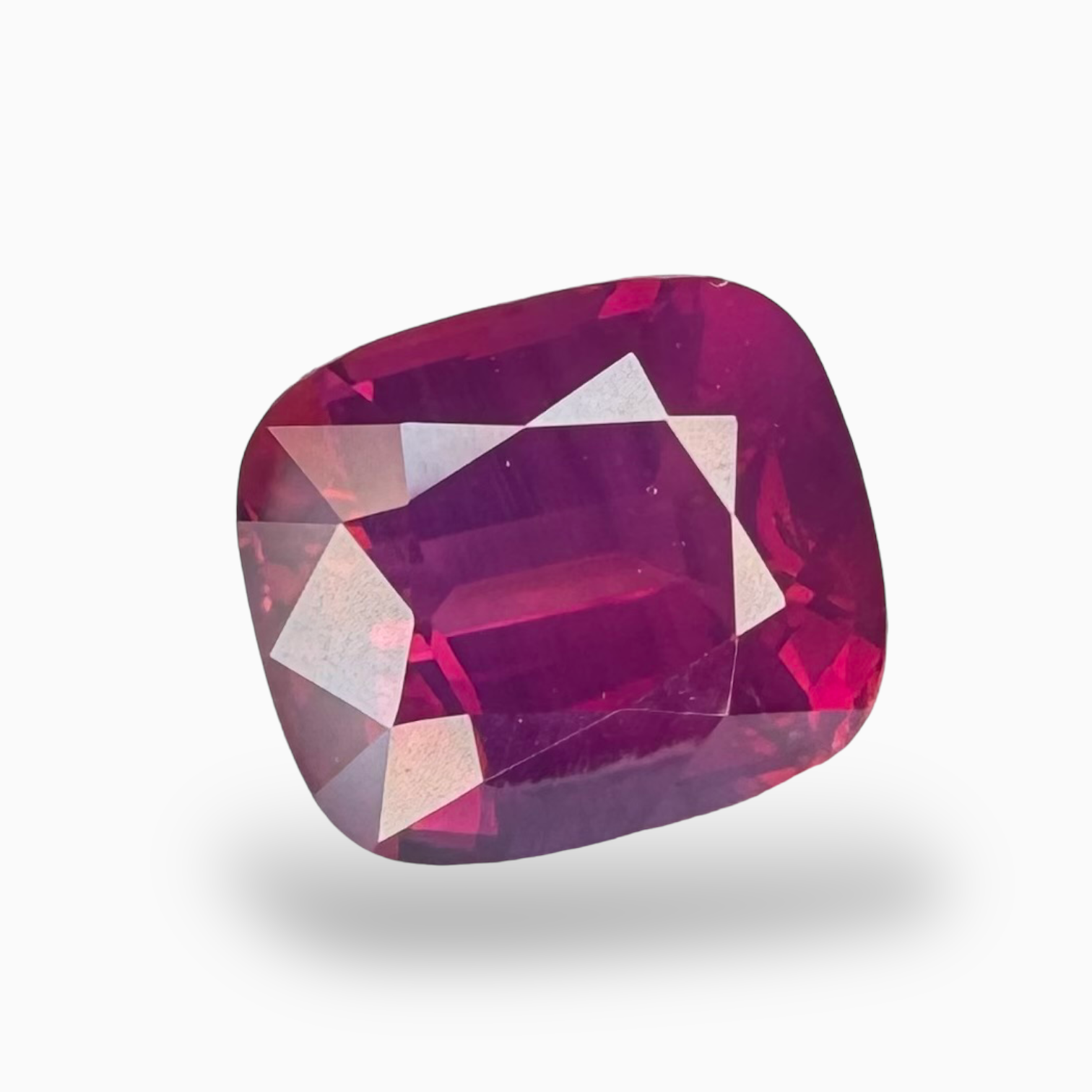
Before we explore what ruby symbolizes, it helps to understand what it actually is — because the stone's physical nature is deeply connected to its meaning.
Ruby is a variety of the mineral corundum — the same mineral family as sapphire. What makes a corundum ruby rather than sapphire is its color, which comes from the presence of chromium within its crystal structure. The more chromium, the deeper and more vivid the red. This is why truly fine rubies are so rare — the right amount of chromium needs to be present during formation to create that perfect, pure red.
On the Mohs hardness scale, ruby ranks at 9 — making it the second hardest natural mineral on earth after diamond. This exceptional hardness has contributed to ruby's association with strength, durability, and endurance throughout history.
The finest rubies in the world come from Myanmar (formerly Burma), where the legendary "pigeon blood" ruby — a pure, vivid red with a faint blue undertone — has been mined for over a thousand years. Other significant sources include Sri Lanka, Thailand, Mozambique, Madagascar, and Afghanistan.
Ruby belongs to the July birthstone — one of the most coveted and beloved birthstones in the entire calendar.
The History of Ruby Symbolism — Why This Stone Has Always Meant Something
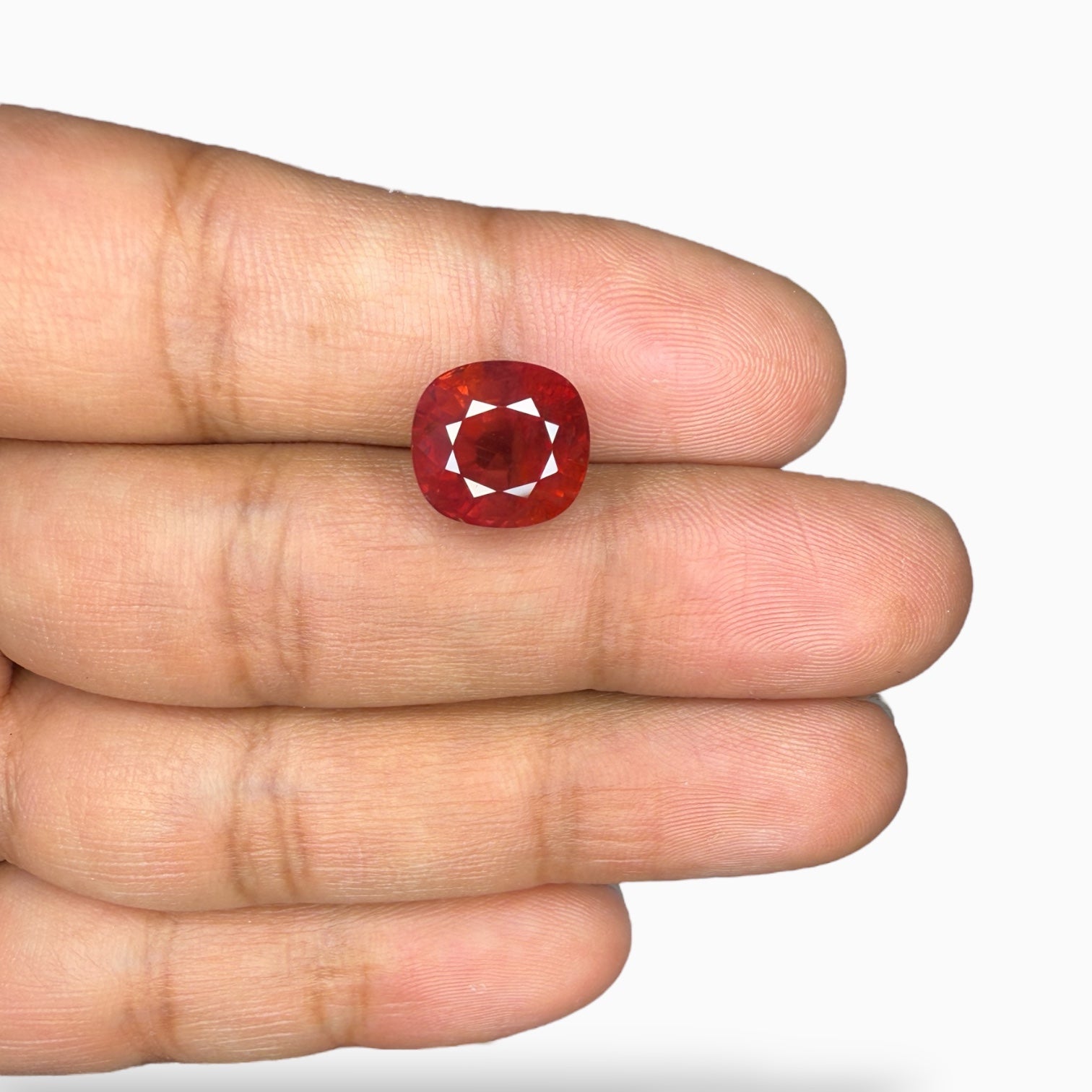
The symbolism of ruby did not begin yesterday. It stretches back thousands of years across multiple civilizations simultaneously — which tells us something important. When different cultures with no contact with each other assign the same deep meanings to the same stone, it suggests those meanings tap into something genuinely universal about human experience.
In ancient India, ruby was called "ratnaraj" — the King of Gemstones. Sanskrit texts described ruby as the most precious of all gemstones and believed it held the power of life itself within its red depths. Warriors embedded rubies into their armor and weapons, believing the stone would protect them in battle and ensure victory.
In ancient Burma, soldiers believed that wearing rubies made them invincible. But there was a condition — the ruby had to be inserted into the flesh, not simply worn as jewelry. The deeper the connection to the body, the stronger the protection. This extreme practice speaks to how seriously these cultures took the power of the stone.
In medieval Europe, ruby was considered the stone of kings and royalty. It was believed to darken in color when danger or illness approached — essentially serving as a living warning system for its owner. Rulers wore rubies not just as displays of wealth, but as protective talismans against misfortune, plague, and enemies.
In Chinese culture, rubies were placed under the foundations of important buildings to bring good fortune and protection to those who would live and work within them.
Across all of these cultures, across all of these centuries, the same themes kept appearing — life, protection, power, love, and fire. The symbolism of ruby is not invented. It is discovered — over and over again, by people who looked at this stone and saw something true.
Ruby Stone Symbolism — A Complete Guide
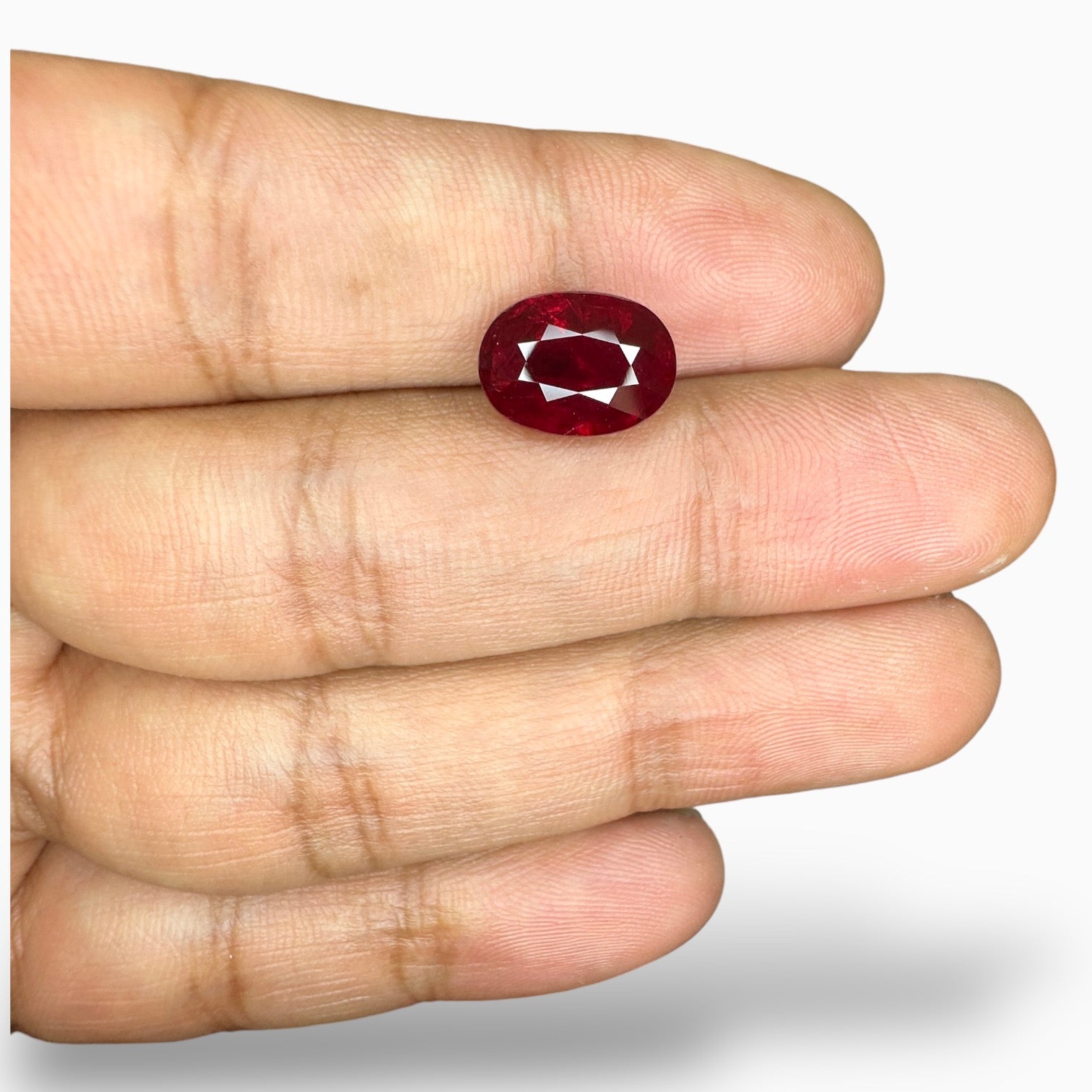
Now let us go through every layer of what ruby symbolizes, one by one.
1. Passion and the Fire of Life
The most fundamental thing ruby symbolizes is passion — the deep, burning kind that makes life feel worth living.
Red is the color of fire. It is the color of blood. It is the color of the most intense human emotions — desire, excitement, determination, and the raw will to live fully. Ruby carries all of this within its color in a way that no other gemstone can match.
When people talk about ruby's symbolism of passion, they do not just mean romantic passion. They mean the broader passion for life itself — the energy that gets you out of bed in the morning, the fire that keeps you working toward something meaningful, the vitality that makes ordinary days feel alive.
In many ancient traditions, ruby was considered the physical embodiment of the sun's energy — a piece of pure solar fire captured in crystal form. The sun gives life to everything on earth, and ruby was believed to carry that same life-giving energy in a form that a person could hold, wear, and keep close.
If you are someone who has been feeling flat, uninspired, or low on energy, ruby is traditionally considered one of the most powerful stones for reigniting that inner fire.
2. Love and Romance
Ruby is arguably the world's most powerful symbol of love — and it has been for thousands of years.
The deep red color of ruby has always been associated with the heart, with blood, with the physical and emotional intensity of genuine love. This is not a recent or invented association. It appears in ancient Indian texts, in medieval European poetry, in Chinese love traditions, and in the jewelry choices of people across every modern culture.
What makes ruby a symbol of love that goes beyond sentiment is its depth. Ruby does not symbolize a light, casual affection. It symbolizes devoted, passionate, enduring love — the kind that commits, that sustains, that chooses the other person again and again over time.
This is why ruby has historically been one of the most popular choices for engagement rings and anniversary jewelry. In many cultures, gifting a ruby is considered one of the most meaningful romantic gestures possible — more than just a beautiful gift, it is a declaration of deep, lasting feeling.
Ruby is also associated with the heart chakra — the energy center connected to love, compassion, and the capacity to give and receive affection freely. Wearing ruby near the heart is believed to open and activate this center, making the wearer more loving, more open, and more genuinely connected to the people they care about.
For couples going through difficult periods, ruby is often recommended as a stone of renewed commitment and emotional reconnection. It is believed to reignite the warmth and passion that may have faded under the pressures of daily life.
3. Courage and Inner Strength
Ruby has been a warrior's stone for as long as warriors have existed — and its symbolism of courage and strength is one of its oldest and most deeply rooted meanings.
The reasoning is intuitive. Ruby is hard — nearly as hard as anything that exists in nature. It does not scratch easily. It does not break easily. It endures. And its color — that vivid, uncompromising red — is the color of blood, of battle, of the courage it takes to face something frightening and keep going anyway.
Warriors across ancient cultures wore rubies as talismans not just for physical protection but for mental and emotional courage. The idea was that carrying the stone could imbue the wearer with its qualities — its hardness, its endurance, its fire — and transfer those qualities to the person who needed them.
Today, ruby's symbolism of courage applies less to physical battle and more to the personal battles most of us face in modern life. The courage to have a difficult conversation. The strength to leave something that is no longer good for you. The perseverance to keep going after failure. The determination to pursue something meaningful even when the path is hard.
Ruby is believed to be a stone that supports all of these forms of courage — not by making difficult things easy, but by strengthening the inner qualities that allow a person to do difficult things despite their fear.
4. Wealth, Abundance, and Prosperity
Throughout history, ruby has been one of the clearest symbols of wealth and prosperity — and this association is both literal and symbolic.
In the literal sense, fine rubies have always been extraordinarily valuable. A high-quality ruby of significant size can be worth more per carat than a diamond of equivalent quality. The rarity of truly fine ruby — with its perfect pigeon-blood red color and excellent clarity — has always made it a gemstone associated with the highest levels of wealth and prestige.
But ruby's association with prosperity goes beyond its market value. In many cultural and metaphysical traditions, ruby is believed to actively attract abundance — to function as an energetic magnet for financial opportunities, business success, and material good fortune.
In ancient India, possessing a fine ruby was believed to protect the owner's wealth and estate, ensuring that their land and resources would not be lost. Chinese merchants placed rubies in their businesses and homes for the same reason — to attract prosperity and prevent financial loss.
Today, ruby is still recommended for people who are working to build financial security, launch a business, or attract new professional opportunities. It is believed to sharpen the focus and determination needed to achieve financial goals, while also carrying an energetic quality that invites abundance into the wearer's life.
5. Protection — Ruby as a Guardian Stone
One of ruby's oldest and most cross-cultural symbolic associations is protection.
From ancient warriors embedding rubies in their skin for battle protection, to medieval European rulers wearing rubies as warning systems against danger, to modern crystal practitioners using ruby as a protective talisman — the idea that ruby guards its wearer has persisted for thousands of years.
In metaphysical traditions, ruby is believed to create a powerful protective energy field around the wearer, shielding them from negative energies, psychic attack, harmful intentions, and bad fortune. It is considered a particularly strong protector of the physical body and the life force energy — which makes sense given its deep connection to the color of blood and the vitality of life itself.
Ruby is also considered protective in a more practical, psychological sense. Its association with courage means that wearing ruby is thought to protect you from your own worst tendencies — fear, self-doubt, passivity, and the temptation to give up — by continually reinforcing your inner strength and determination.
6. Spiritual Significance — Ruby and the Soul
Ruby's spiritual symbolism is as rich and layered as its physical beauty.
In many spiritual traditions, ruby is associated with the root chakra — the energy center at the base of the spine that governs our sense of safety, grounding, and connection to the physical world. A balanced root chakra means feeling secure, stable, and connected to life. Ruby is believed to activate and strengthen this center, helping people feel more grounded, more present, and more vibrantly alive in their physical experience.
Ruby is also associated in many traditions with kundalini energy — the powerful spiritual energy believed to lie dormant at the base of the spine until awakened. Ruby is thought to gently stimulate this energy, encouraging spiritual awakening and a deeper connection to one's own life purpose.
Beyond its chakra associations, ruby has been used in spiritual practices across many cultures as a stone of devotion — helping people connect more deeply to their faith, their values, and their sense of what is truly meaningful in life. It is considered a stone that burns away what is false and brings what is genuine to the surface.
Many spiritual practitioners describe ruby as a stone that asks you a question — "What do you truly want?" — and then gives you the fire to pursue it.
7. Vitality, Health, and the Life Force
⚠ Disclaimer: The following traditional beliefs are not scientifically proven and should not be used as medical advice. Always consult a qualified healthcare professional for any health concerns. Gemstones are not medical treatments.
In traditional healing practices across many cultures, ruby has been associated with physical vitality and life force energy. Its deep red color — the color of blood — has historically linked it to the circulatory system, heart health, and overall physical strength and stamina.
Ruby is believed in traditional practices to energize the body, support circulation, and contribute to overall physical vitality. It is thought to be particularly beneficial for people who feel chronically fatigued, physically depleted, or disconnected from their own body's energy.
Whether these traditional beliefs hold any literal truth is for each individual to decide. What is not debatable is that the symbolism of ruby — its association with blood, with fire, with the sun, with the beating heart of life — makes it one of the most powerful symbols of physical vitality in the entire gemstone world.
Ruby Stone and the Zodiac — Who Should Wear It?
Ruby is the birthstone for July and is most traditionally associated with the zodiac signs of Leo and Cancer. However, its universal symbolism of passion, love, and courage makes it meaningful for people of all signs.
Leo in particular has a natural affinity with ruby — both the stone and the sign share qualities of warmth, leadership, courage, and a genuine passion for life. Wearing ruby is thought to amplify Leo's natural strengths while helping to temper any tendency toward excessive pride or stubbornness.
Cancer, as a deeply feeling and loving sign, resonates with ruby's heart-centered energy — particularly its associations with devoted love and emotional courage.
Beyond zodiac associations, ruby is broadly recommended for anyone who wants to bring more passion, courage, love, or vitality into their life — regardless of when they were born.
How to Choose and Buy Ruby Stone
When buying ruby, here are the key factors that determine quality and value:
Color — The single most important factor. The ideal ruby color is described as "pigeon blood" — a pure, vivid red with a slight blue undertone and no brown or orange tones. The more saturated and pure the red, the more valuable the stone.
Clarity — Most natural rubies contain some internal inclusions. A completely flawless ruby is extremely rare and commands a significant premium. Minor inclusions that do not affect the stone's beauty or structural integrity are generally acceptable.
Cut — A well-cut ruby maximizes the stone's natural color and brilliance. Common cuts include oval, cushion, round, and emerald cut.
Carat Weight — Ruby increases dramatically in value per carat as size increases. A 3-carat fine quality ruby is worth significantly more per carat than three 1-carat rubies of equal quality.
Origin — Burmese rubies (from Myanmar) are historically the most prized. Mozambique has emerged in recent years as another important source of top-quality stones.
Certification — Always buy ruby from a trusted seller who provides gemological certification from a recognized authority. This confirms the stone is genuine and natural, and discloses any treatments.
Always buy gemstones from trusted, reputable sellers who provide clear information about the stone's origin, quality, and any treatments applied. Raza Gems is proud to be a trusted source for genuine, high-quality gemstones in Dubai and worldwide.
Frequently Asked Questions About Ruby Stone Symbolism
Q: What does ruby stone symbolize? A: Ruby symbolizes passion, love, courage, inner strength, wealth, protection, and spiritual vitality. It is considered the King of Gemstones and one of the most powerful symbolic stones in the world — associated with the fire of life and the deepest human emotions.
Q: Why is ruby associated with love? A: Ruby's deep red color has been associated with the heart, blood, and the intensity of genuine love across virtually every human culture throughout history. Its vivid red connects to the most powerful human emotion — love — in a way that is immediately intuitive and universally understood.
Q: Is ruby good for courage? A: Yes, ruby has been considered a stone of courage for thousands of years. Ancient warriors wore it for physical protection and bravery in battle. Today, it is thought to support the emotional and mental courage needed to face life's personal challenges with strength and determination.
Q: What is the spiritual meaning of ruby? A: Spiritually, ruby is associated with the root chakra and kundalini energy. It is believed to awaken the soul's deepest passions, connect the wearer to their life purpose, and stimulate a vibrant, devoted spiritual life. It is considered a stone of devotion, awakening, and life force energy.
Q: Who should wear ruby? A: Ruby is the birthstone for July and is most associated with Leo and Cancer zodiac signs. However, its universal symbolism makes it meaningful for anyone seeking more passion, courage, love, or vitality in their life. It is also a particularly meaningful gift for significant romantic occasions.
Q: What makes ruby so special compared to other gemstones? A: Ruby's combination of extraordinary hardness (9 on the Mohs scale), exceptional rarity at fine quality, breathtaking color, and thousands of years of symbolic meaning across every major human civilization makes it genuinely unique. No other gemstone carries the same depth of historical, cultural, and emotional significance.
Q: Is ruby good for wealth and prosperity? A: According to traditional beliefs and metaphysical practices across many cultures, yes. Ruby has been associated with attracting wealth, protecting existing prosperity, and supporting the determination and focus needed to achieve financial success.
Q: What is the best color for ruby? A: The most prized and valuable ruby color is known as "pigeon blood" — a pure, vivid red with a slight blue undertone. The color should be deep and saturated without appearing too dark or overly orange. Burmese pigeon blood rubies are historically considered the finest in the world.
Final Thoughts
Ruby is a gemstone that earns every superlative ever written about it. King of Gemstones. Stone of the Sun. Gem of Life. Talisman of Warriors. Symbol of Love. Every one of these titles is justified — and together they paint a picture of a stone that is not just beautiful, but deeply, genuinely meaningful.
What ruby symbolizes — passion, love, courage, strength, wealth, protection, and the fire of life itself — are not arbitrary associations invented by marketing departments. They are meanings that human beings across thousands of years and dozens of cultures have discovered independently, over and over again, simply by looking at this extraordinary red stone and feeling something true.
Whether you wear ruby for its stunning beauty, its July birthstone significance, its powerful symbolism of love and courage, or simply because something about it calls to you in a way you cannot fully explain — you are participating in one of the longest and most universal human traditions in the history of gemstones.
And that is a remarkable thing to be part of.
⚠ Final Disclaimer: This article is for informational and educational purposes only. All symbolic, metaphysical, and traditional healing properties described are based on cultural beliefs and folklore, not scientific research. Ruby and all gemstones are not substitutes for professional medical, psychological, or therapeutic treatment. Always consult a qualified healthcare professional for any health concerns.