

Pyrite, also called "Fool’s Gold," is a shiny, gold-like mineral that fascinates collectors. But how can you tell if your raw pyrite stone is real or fake? This guide will teach you simple tricks to spot the difference—perfect for kids, beginners, and rock lovers!

Quick 5-Second Real Pyrite Check
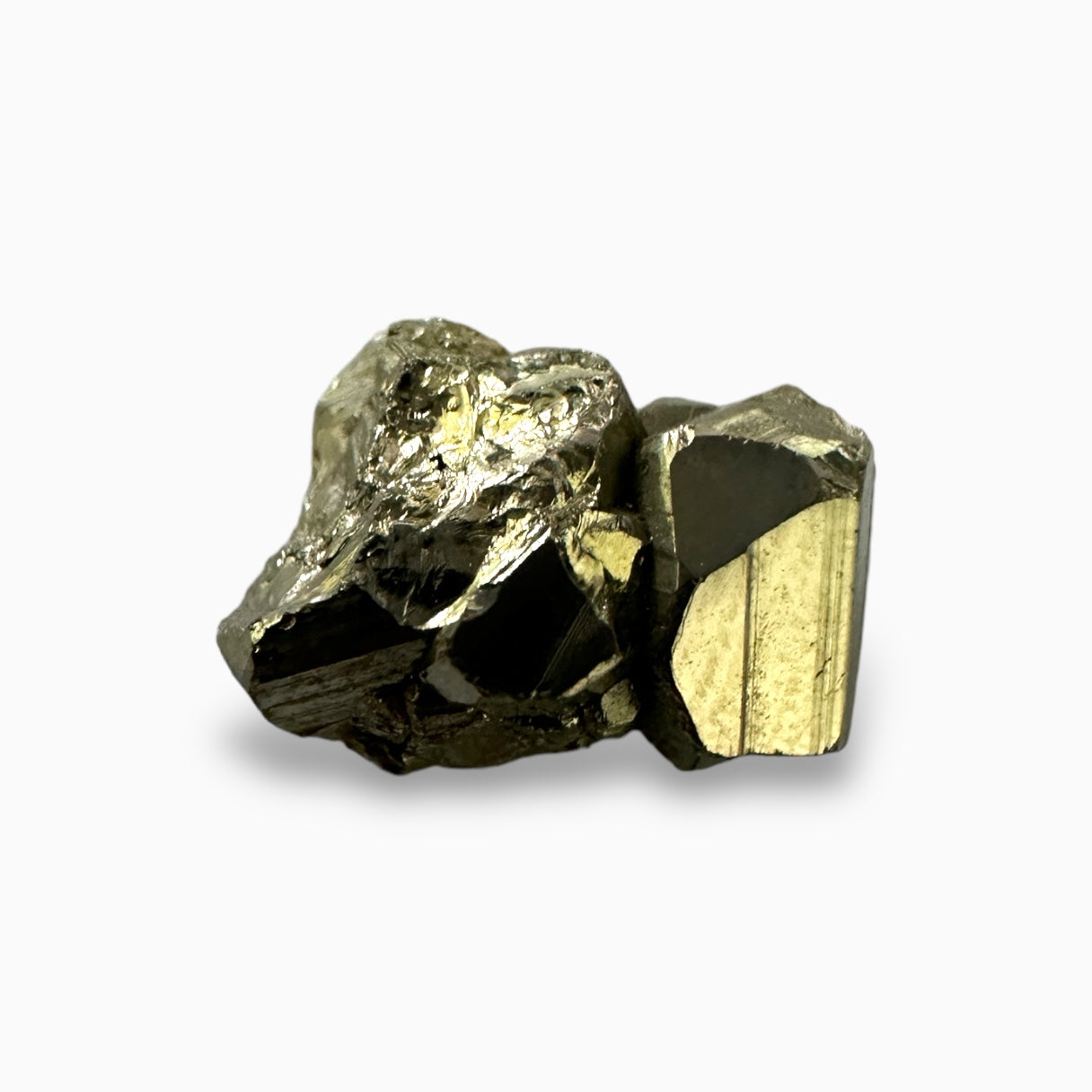
Before we dive deep, here’s how to quickly test if your raw pyrite gemstone is real:
🔍 Shine Test: Real pyrite has a metallic shine, not plastic-like.
✋ Weight Test: Real pyrite feels heavier than fake (plastic/resin) versions.
💎 Hardness Test: Real pyrite (6-6.5 hardness) can scratch glass.
🧲 Magnet Test: Real pyrite is weakly magnetic (unlike fool’s gold fakes).
🔥 Burn Test (Caution!): Real pyrite won’t melt or smell like plastic.
If your stone passes these checks, it’s likely real! Now, let’s explore deeper.
What is Raw Pyrite Stone?
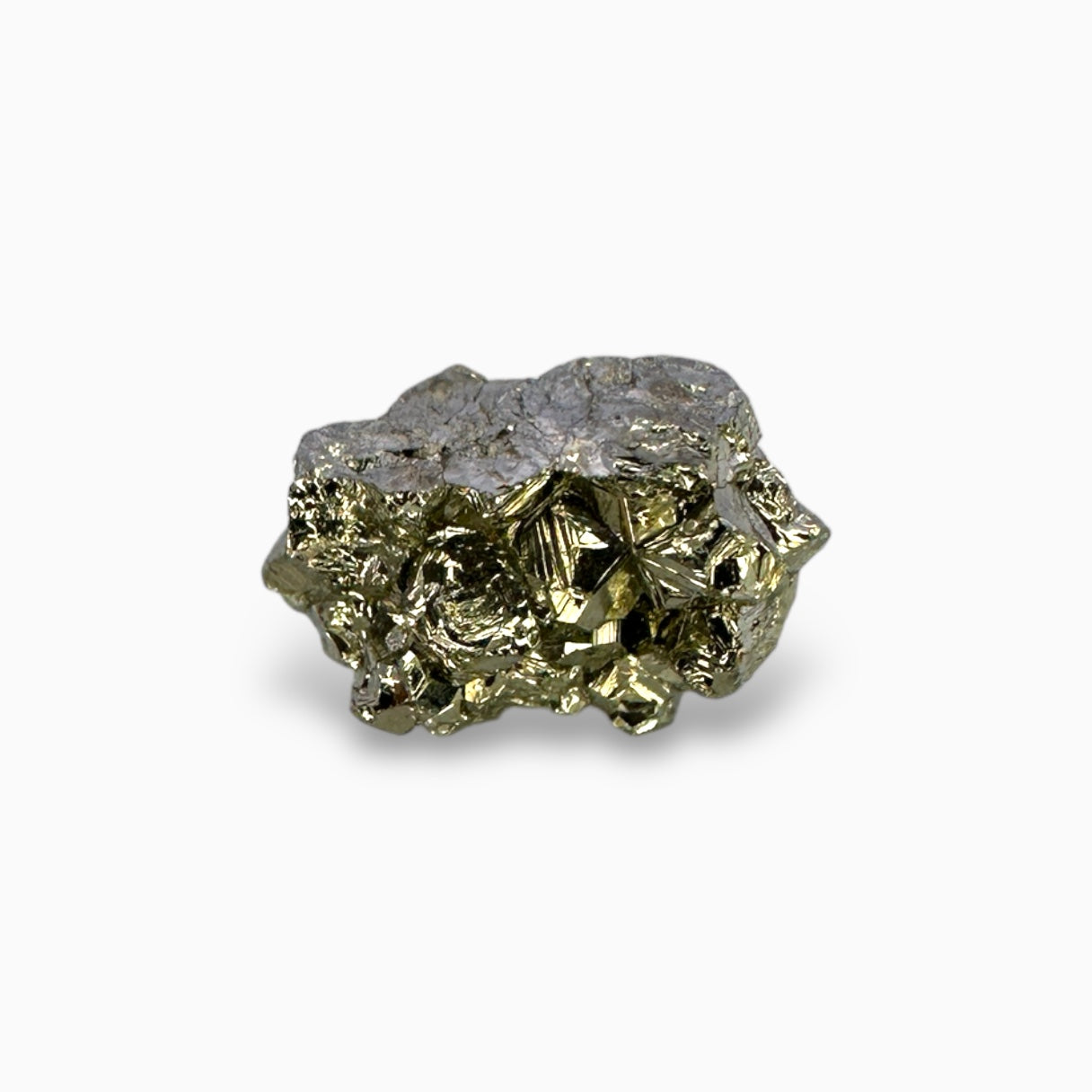
Raw pyrite stone is a natural Crystal made of iron sulfide. It forms in cool cube shapes or lumpy masses and looks like gold—hence the nickname "Fool’s Gold."
Why Do People Fake Pyrite?
Some sellers cheat by making fake raw pyrite stone from:
-
Painted plastic/resin
-
Coated glass
-
Mixed metal powders
Real pyrite is cheap, but fakes are even cheaper to produce!
Fake vs. Real Raw Pyrite Stone: 5 Easy Tests
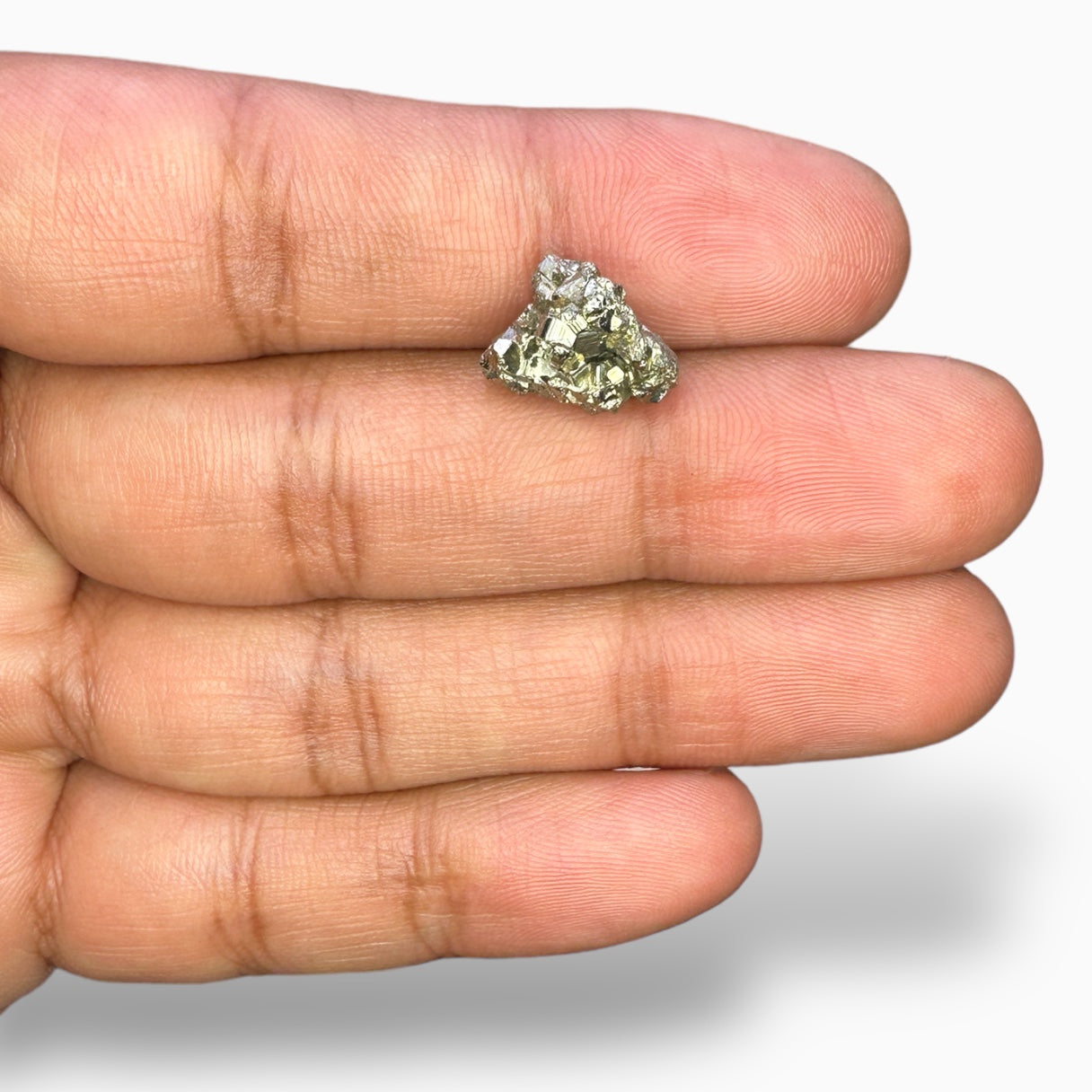
1. The Shine & Color Test
-
Real: Brassy gold, metallic shine (not too bright).
-
Fake: Too shiny (like plastic) or dull paint.
Example: Hold your raw pyrite stone near a light. Real pyrite sparkles naturally, while fake looks "painted."
2. The Scratch Test
-
Real: Hard enough to scratch glass or a copper coin.
-
Fake: Scratches easily (plastic/coating peels off).
Try It: Gently rub your stone on a glass bottle. If it leaves a scratch, it’s likely real!
3. The Weight Test
-
Real: Feels heavy for its size (dense mineral).
-
Fake: Light like plastic or hollow.
Example: Compare your stone to a similar-sized rock. Real pyrite should feel heavier.
4. The Magnet Test
-
Real: Slightly magnetic (may stick weakly to a strong magnet).
-
Fake: Non-magnetic or too sticky (if mixed with iron).
Fun Fact: Real pyrite’s weak magnetism comes from its iron content!
5. The Burn Test (For Experts!)
⚠️ Adult supervision needed!
-
Real: Won’t melt or smell weird.
-
Fake: Melts/smells like burning plastic.
Warning: Don’t burn your raw pyrite stone unless you’re sure it’s safe!
Why Does Real Pyrite Stone Matter?
-
Collectors Value It: Real pyrite is a cool mineral specimen.
-
Spiritual Uses: Many believe real pyrite boosts confidence & wealth energy.
-
Science Lovers: It’s used in batteries & sulfur production!
Fake pyrite has none of these benefits.
Where to Buy Real Raw Pyrite Stone?
✅ Trusted Rock Shops (Check reviews!)
✅ Gem Shows (Experts can verify)
✅ Gemstones Online Stores with Certifications
Avoid: Too-cheap "pyrite" on random websites—it’s likely fake!
Final Verdict: Is Your Pyrite Real?
If your raw pyrite stone passes most tests, congratulations—you’ve got real Fool’s Gold! If not, you might have a fake.
Pro Tip: Keep real pyrite dry—it can rust if left in water!
FAQ
Q: Can real pyrite stone go in water?
A: No! Water damages it over time (it contains iron).
Q: Does pyrite spark like flint?
A: Yes! Real pyrite makes sparks when struck (used in old firearms).
Q: Is pyrite worth money?
A: Real pyrite is affordable but valuable to collectors.
Now you’re a raw pyrite stone expert! Share this guide to help others spot fakes too. 🚀.