

In crystal traditions, tourmaline is the "stone of protection and grounding". Each colour is linked with a different chakra: black with the root, pink, green and watermelon with the heart, blue with the throat and yellow with the solar plexus.
Below we explain what tourmaline is, why it is tied to protection, what each colour means, and simple ways to use and care for it. You can see real stones in our tourmaline collection.
What Is Tourmaline?
A gem of many colours. Tourmaline is a much-loved semi-precious gemstone. It comes in black, pink, green, blue and yellow, plus mixes such as watermelon tourmaline.
A name that fits. "Tourmaline" comes from the Sinhalese word "toramalli", meaning "stone with mixed colours". It has been used in many cultures for thousands of years.
Where it is found. It is mined in countries such as Brazil and Sri Lanka, and in parts of Africa.
Why Is Tourmaline Called the Stone of Protection and Grounding?
The ideas in this article are cultural beliefs and crystal traditions, shared for interest. They are not proven facts.
A shield. Tourmaline is believed to create a shield around you that blocks negative energy. It is said to absorb bad energy from people and places, and to guard against harmful thoughts and emotions.
Grounding. It is linked with feeling safe, steady and connected to reality, or "grounded" in crystal language.
Black tourmaline leads the way. Black is seen as the strongest protection stone of all. People often carry it in a pocket or wear it as a pendant to keep bad vibes away.
What Are Chakras?
Energy wheels. In spiritual traditions, chakras are invisible energy centres linked with our feelings and spirit. There are seven main ones, from the base of the spine to the top of the head.
Open or blocked. When the chakras are open and balanced, energy is said to flow freely and we feel good. A blocked chakra is linked with feeling low or out of balance.
Tourmaline Chakra Meaning: Which Colour for Which Chakra
In chakra practice, tourmaline is believed to clear negative energy and open the chakras. Each colour has its own chakra and meaning.
Black tourmaline: root chakra
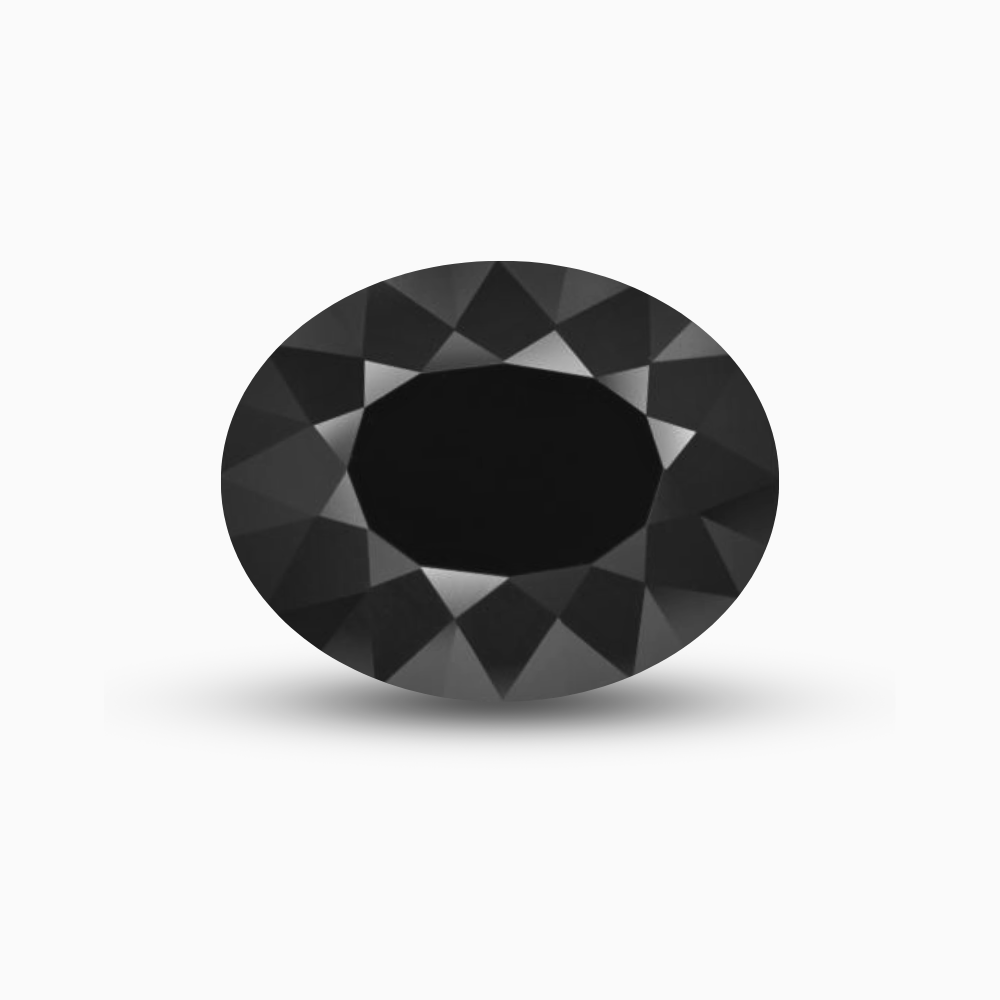
- Where: the base of the spine.
- Linked with: feeling safe and grounded.
- Meaning: black tourmaline is the best-known protection stone. It is said to shield you from negative energy and bring calm and courage.
Pink tourmaline: heart chakra
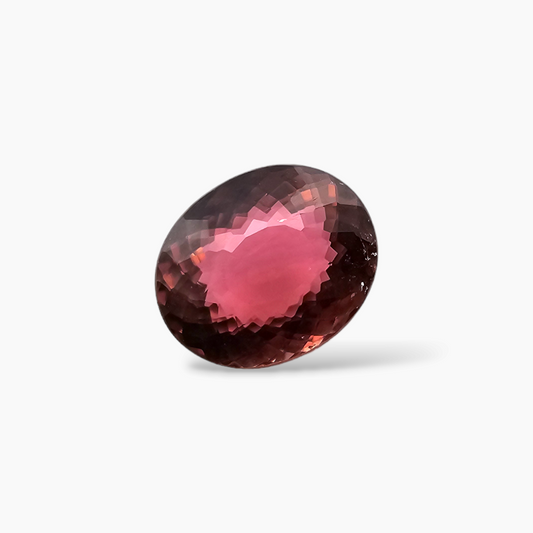
- Where: the centre of the chest.
- Linked with: love, kindness and feelings.
- Meaning: pink tourmaline is a stone of love and compassion. It is linked with self-love, comfort, peace and close relationships.
Green tourmaline: heart chakra
- Where: the centre of the chest.
- Linked with: nature and growth.
- Meaning: green tourmaline is a stone of growth, balance and success. It is tied to nature, creativity, abundance and good fortune, and is often used in meditation.
Blue tourmaline (indicolite): throat chakra
- Where: the throat.
- Linked with: communication and truth.
- Meaning: blue tourmaline is linked with honest self-expression, calm and clear thinking, and spiritual awareness. It is popular with students and professionals.
Yellow tourmaline: solar plexus chakra
- Where: the upper stomach area.
- Linked with: confidence and personal power.
- Meaning: yellow tourmaline is tied to confidence, energy, happiness and staying motivated.
Watermelon tourmaline: heart chakra
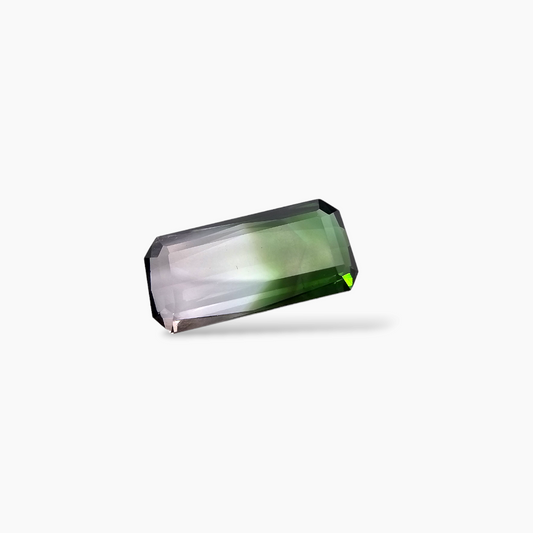
- Where: the centre of the chest.
- Linked with: love and joy together.
- Meaning: with pink and green in one stone, watermelon tourmaline is a symbol of comfort, happiness and harmony between heart and mind. It is also linked with settling conflicts and harmony in relationships.
Spiritual Benefits of Tourmaline
Beyond the chakras, tourmaline is linked with these spiritual benefits:
- Positive thinking: clearing the mind of negativity and keeping you focused on your goals.
- Comfort: linked with forgiveness, self-love, letting go of the past and finding peace.
- Balanced energy: said to clear blockages in the chakras, so you feel calm, strong and focused.
- Clarity at work: a popular stone for the desk, linked with a clear mind and sharp focus.
- Confidence and motivation: seen as a gentle energy boost.
- Deeper meditation: used to calm the mind and strengthen spiritual connection.
How to Use Tourmaline
Wear tourmaline jewellery
Rings, necklaces and bracelets keep its energy close to you all day. Black tourmaline is the usual pick for everyday protection, and pink tourmaline for love and comfort. Browse our jewellery collection.
Place it on your chakras
Lie down and place a tourmaline on the chakra you want to balance. Focus on your breathing and picture the energy flowing freely.
Carry it with you
Keep a small piece in your pocket or bag for protection and to stay grounded. Hold it whenever you want a calm moment.
Meditate with it
Sit quietly and hold a tourmaline in your hand, or place it on your body or near you. Focus on your breathing and imagine the stone soaking up your worries.
Use it at home and at work
- Entrance: black tourmaline by the door is said to keep negative vibes out.
- Living room or bedroom: for a calm, protective feel in the rooms you use most.
- Near electronics: many people keep black tourmaline next to their devices, believing it absorbs unwanted energy from them.
- Desk or office: to keep the energy of the space clear.
Pair tourmaline with other gemstones
Tourmaline is often paired with other stones to strengthen its energy:
- Black tourmaline with clear quartz, for extra protection.
- Pink tourmaline with rose quartz, for love and comfort.
- Green tourmaline with citrine, for success and abundance.
How to Cleanse and Care for Tourmaline
- Clean it: use warm water and mild soap, then dry it.
- Cleanse its energy: crystal lovers rinse it under running water, pass it through sage or incense smoke, or leave it in moonlight.
- Recharge: a few hours of sunlight or moonlight is a common practice.
- Handle with care: don't drop it, and keep it away from harsh chemicals.
Looking for more? Explore our varieties of gemstones or our full range of natural gemstones.
Gemstone traditions are cultural beliefs, not medical advice. See our gemstone and healing disclaimer.