

Garnet stone meaning centres on strength, protection, love and new beginnings. Garnet is the January birthstone and the traditional gift for a 2nd wedding anniversary. It is famous for its deep red, but it comes in almost every colour, it is tough enough for daily wear, and it is one of the most affordable natural gemstones.
Whether you want a birthstone gift or an engagement ring that stands out, here is what garnet means, the colours it comes in, what it costs and how to look after it.
What Is Garnet?
Named after the pomegranate. "Garnet" comes from the Middle English gernet, meaning dark red, and the Latin granatus, from granum (grain, seed). Raw garnet crystals look a lot like the bright red seeds of a pomegranate.
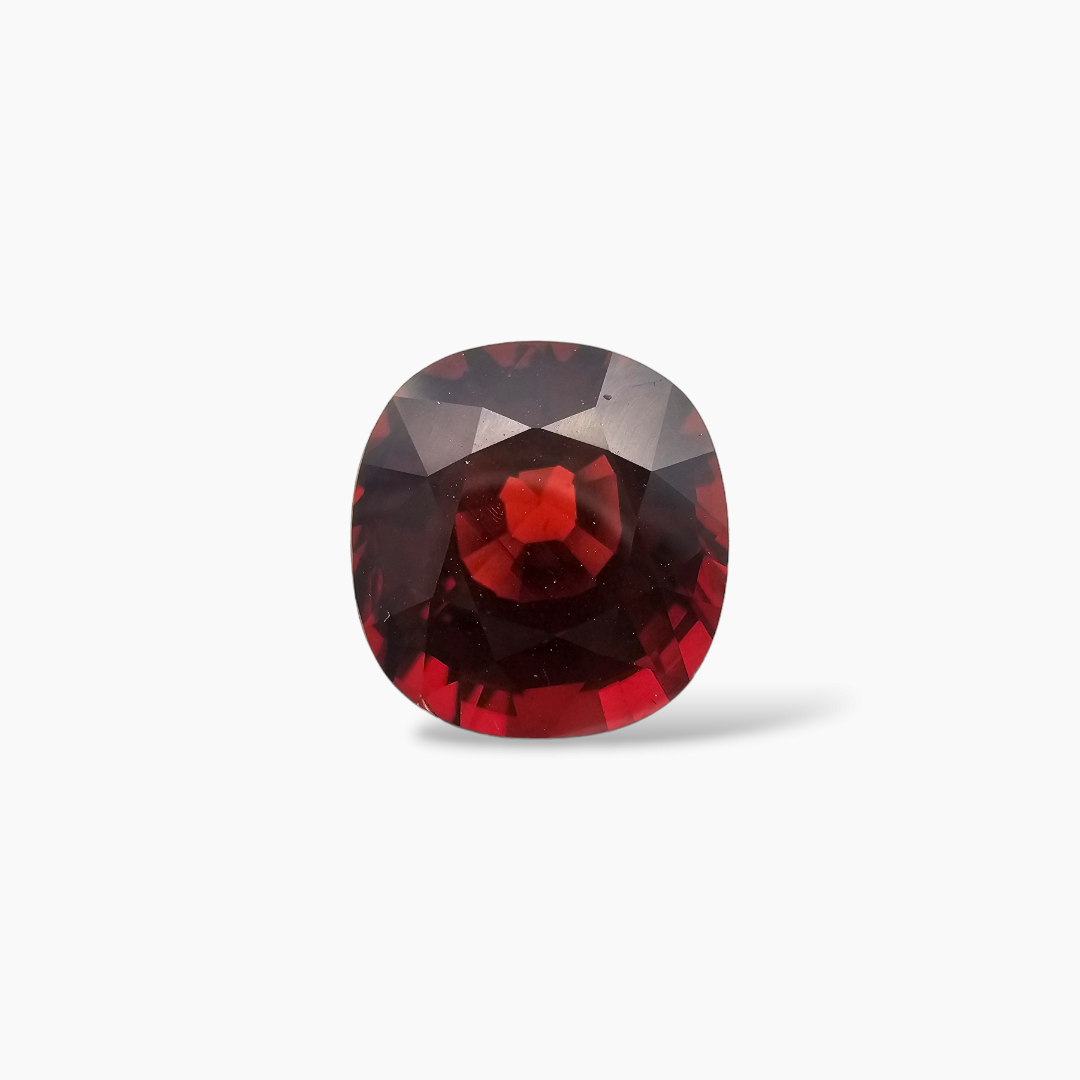
One of the oldest known gems. Garnet is one of the oldest gemstones people have worn, used in jewellery for thousands of years.
Durable. Garnet ranks 6.5 to 7.5 on the Mohs hardness scale. It is not as hard as diamond or sapphire, but it is strong enough for rings, necklaces and earrings you wear every day.
Found worldwide. Major deposits are in Africa, India, Sri Lanka and Madagascar.
Garnet Colours and Types
Most people picture garnet stone as red, but it comes in almost every colour, including orange, green, yellow, pink and purple. Blue is the exception, although very rare colour-change blue garnets do exist.
| Type of garnet | Main colour | What makes it special |
|---|---|---|
| Almandine | Deep red / violet | The most common, classic red garnet |
| Pyrope | Blood red | Intense, fiery saturation |
| Rhodolite | Pinkish red | A soft, romantic glow |
| Spessartite | Bright orange | Often called "Mandarin garnet"; very vivid |
| Tsavorite | Vivid green | A rare, costly green garnet from Africa |
| Demantoid | Olive green | Famous for its fire and diamond-like sparkle |
| Hessonite | Honey brown / orange | Known as the "cinnamon stone" |
Rare garnets for collectors. Demantoid and colour-change garnet are rare and highly sought after. A colour-change garnet shifts colour depending on the light, while tsavorite gives a green to rival emerald.
Garnet Stone Meaning and Symbolism
Across cultures, garnet stands for energy, devotion and new beginnings. It is also a symbol of strength, protection, love, commitment, creativity and courage.
A symbol of love
Because of its red colour, garnet has long been linked with the heart and with love. The Romans saw it as a sign of love and loyalty. As the 2nd wedding anniversary gift, it stands for rekindled passion and the steady glow of a long relationship.
Garnet in history
- Ancient Egypt: garnet necklaces have been found in pharaohs' tombs dating back to 3100 B.C. Egyptians saw it as a symbol of life and placed it in tombs to protect the dead in the afterlife.
- Ancient Rome: garnet signet rings were used to seal important documents.
- Greek and Roman warriors: wore garnet to stay safe in battle.
- Middle Ages: knights, warriors and travellers carried it as a protective charm to light their way and keep them from harm.
Garnet names in Hindi, Arabic and Urdu
- Hindi (Raktamani): the "blood-red jewel", respected for building self-confidence and a sense of grounding.
- Arabic (Hajar Alaqeeq): Aqeeq often means agate, but red garnets are often grouped into this family of stones, which stands for power and spiritual balance.
- Urdu (Laal): simply means "red", for the purity and intensity of its colour.
Garnet Traditional Beliefs
The ideas in this section are cultural and crystal traditions, shared for interest. They are not proven facts.
Garnet is often called the "stone of energy" in crystal traditions, where it is linked with drive and motivation.
- Calm: linked with a relaxed, settled mood and emotional balance.
- Confidence: believed to give courage and self-assurance, and help you feel grounded on busy days.
- Positivity: said to help you let go of negative thoughts.
- Protection: thought to shield you from negative energy and bad vibes.
- Intuition: believed to help you trust your instincts and make wise decisions.
- Good fortune: seen as a stone of good luck and success that keeps you focused on your goals.
Garnet and the root chakra
Garnet is closely linked with the root chakra at the base of the spine, the energy centre tied to security and stability. In energy practices, garnet is believed to balance this chakra and help you feel strong and centred.
Who Should Wear Garnet?
Anyone can wear garnet. It is the birthstone for January, so it is a natural gift for anyone born that month. Our January birthstones collection has more ideas.
- Capricorn: garnet is often linked with this zodiac sign.
- Anyone wanting a confidence boost: astrologers often suggest it for people who want more self-confidence.
- Anyone seeking balance: students, parents and professionals wear it as a reminder to stay motivated and positive.
- Lovers of bold colour: its rich red makes it a favourite for statement jewellery.
How to Wear Garnet
Rings, necklaces and bracelets
- Rings: garnet rings are a constant reminder of inner strength.
- Necklaces and pendants: keep the stone close to your heart.
- Bracelets: a bold piece for special events, or a daily pop of colour.
- Earrings: subtle yet smart for everyday wear.
Silver or gold? Garnet looks good in both. 925 silver gives a cool, modern contrast with the deep red. 18K gold brings out its fire and royal warmth. Browse our jewellery for settings.
Modern garnet jewellery ideas
Garnet comes in so many colours, and costs far less than precious gemstones such as ruby, so custom ring makers love it.
- Garnet engagement ring: couples after a vintage or bohemian look are choosing red garnet. A large square princess cut in rose gold feels warm and romantic. A halo of small white diamonds makes the centre stone pop. See our engagement rings.
- Three-stone ring: three garnets in a row stand for past, present and future. Try three shades of red, or mix green and orange garnets.
- Solitaire pendant: a single pear-shaped garnet on a thin gold chain adds a touch of luxury without being flashy.
Carrying and meditating with garnet
You can carry a small loose garnet in your pocket or bag as a reminder to slow down. Some people place one in front of them during meditation to feel more grounded and peaceful.
Garnet Price and Value
Garnet is one of the most affordable natural gemstones, with a stone for every budget.
- Standard red garnet: usually $50 to $200 per carat, depending on size and clarity.
- Rare green garnet: top tsavorite or demantoid can cost $1,000 to $5,000 per carat or more, as they are rarer than emeralds.
- Custom jewellery: a high-quality garnet ring in 18K gold typically starts around $600 to $1,500 in professional shops.
Affordable, but still valued. Garnet is classed as a semi-precious gemstone and still holds its value. It is also often mined in ways that have a lower environmental impact than diamonds.
How to Care for Garnet
- Clean gently: use warm water, mild soap and a very soft toothbrush.
- Skip harsh cleaners: avoid strong chemicals and steam cleaners. Only use an ultrasonic cleaner if you are sure the stone has no internal fractures.
- Avoid high heat: garnet is tough, but sudden temperature changes can crack some varieties.
- Store it alone: harder stones like diamond and sapphire can scratch garnet, so keep it in its own soft cloth bag.
- Take it off for heavy work: remove your ring for gardening or lifting weights.
FAQs
How can I tell if a garnet is real?
Natural garnet has a very high refractive index, so it sparkles strongly in the light. It is also heavier than glass imitations. To be sure, buy from a trusted source like Raza Gems or look for stones certified by the GIA (Gemological Institute of America). Our guide on how to spot fake garnet stones has more tips.
Is garnet a lucky stone?
In many traditions, yes. Garnet is seen as a stone of good fortune and success, believed to keep the wearer motivated and focused on their goals.
Can I wear garnet every day?
Yes. Garnet is durable enough for daily wear. It is softer than diamond, though, so take your ring off for rough work.
Why is my garnet turning dark?
Garnet does not change colour over time, but oil and dust can build up behind the stone. A simple clean usually brings back its colour and fire.
Gemstone traditions are cultural beliefs, not medical advice. See our gemstone and healing disclaimer.